The Problem
While building Home Depot's next-generation selling platform, we learned that the legacy customer database our product relied on would eventually be retired.
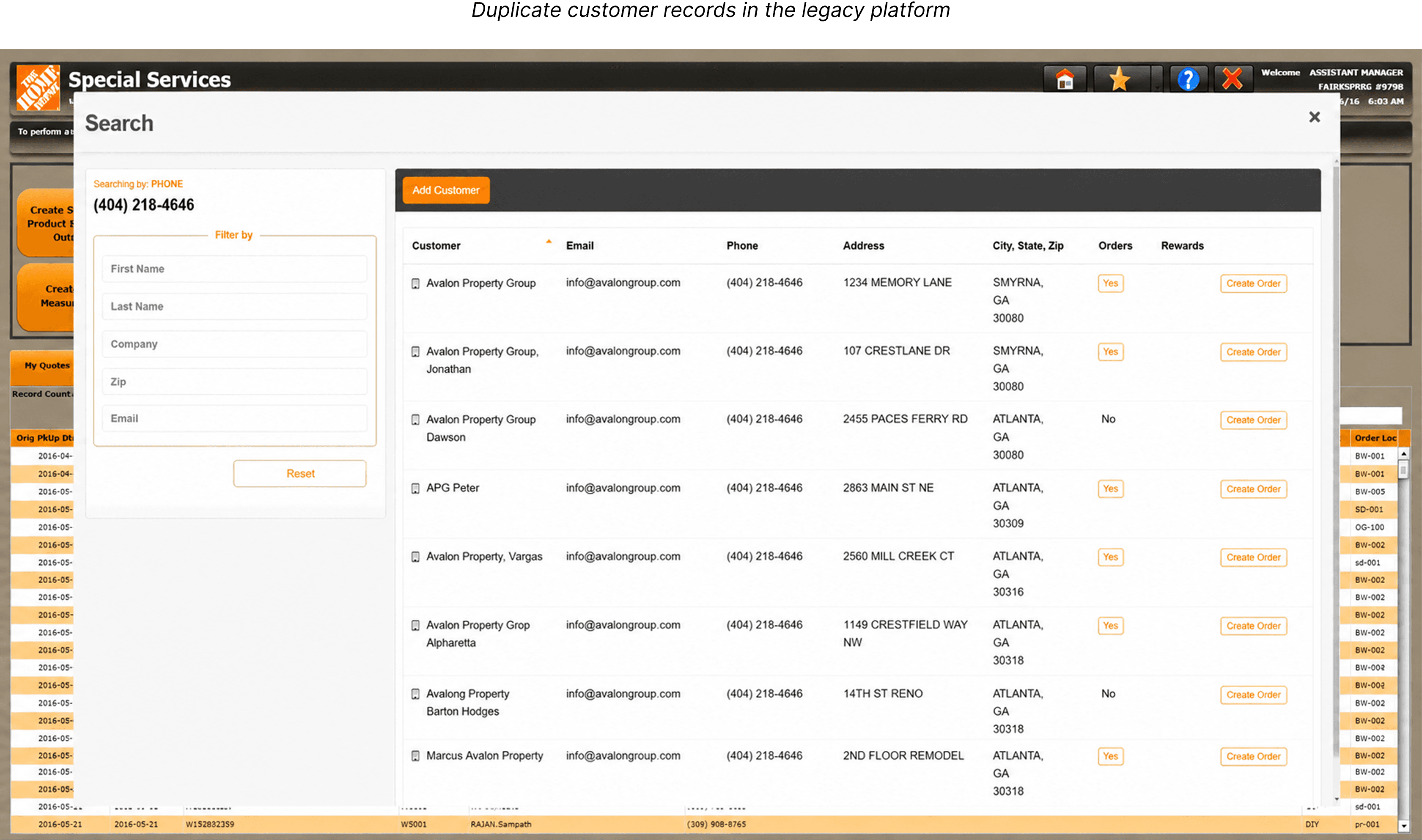
The customer data team was replacing it with a new system after years of duplicate customer records had fragmented customer information across multiple accounts.
Before the transition could happen, we needed to understand why these records existed and what impact the migration might have on associates and customers.
What We Learned
We visited stores and spoke with associates to better understand how customer records were being used. What initially appeared to be a data quality problem turned out to be a workaround for a legitimate business need.
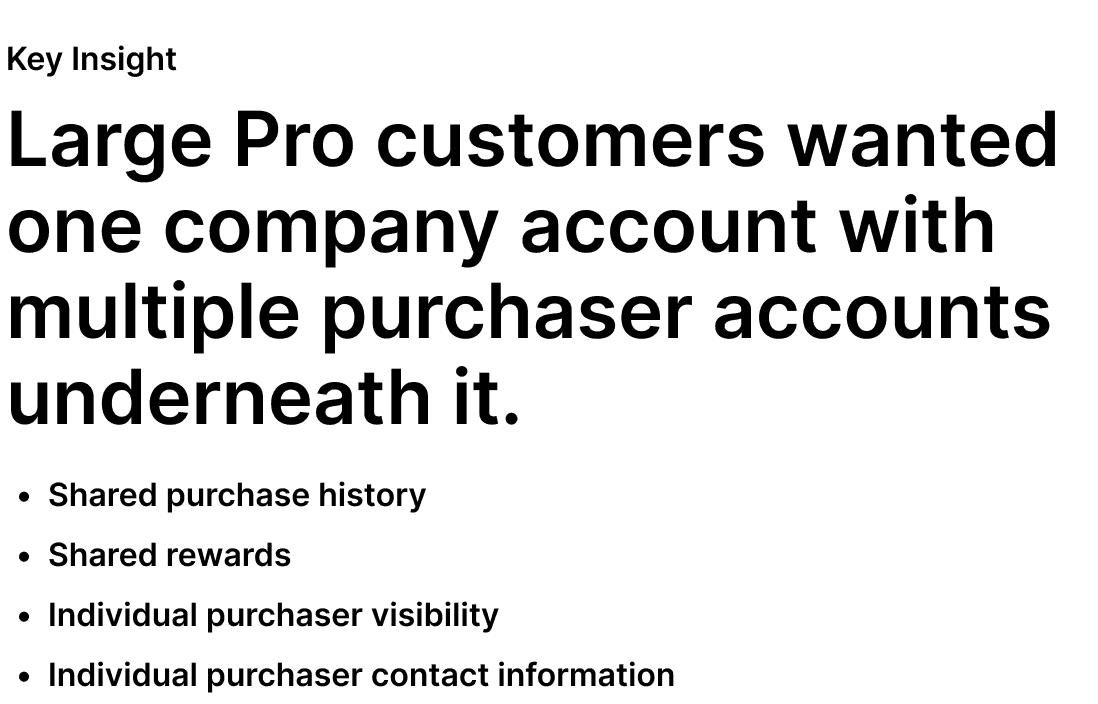
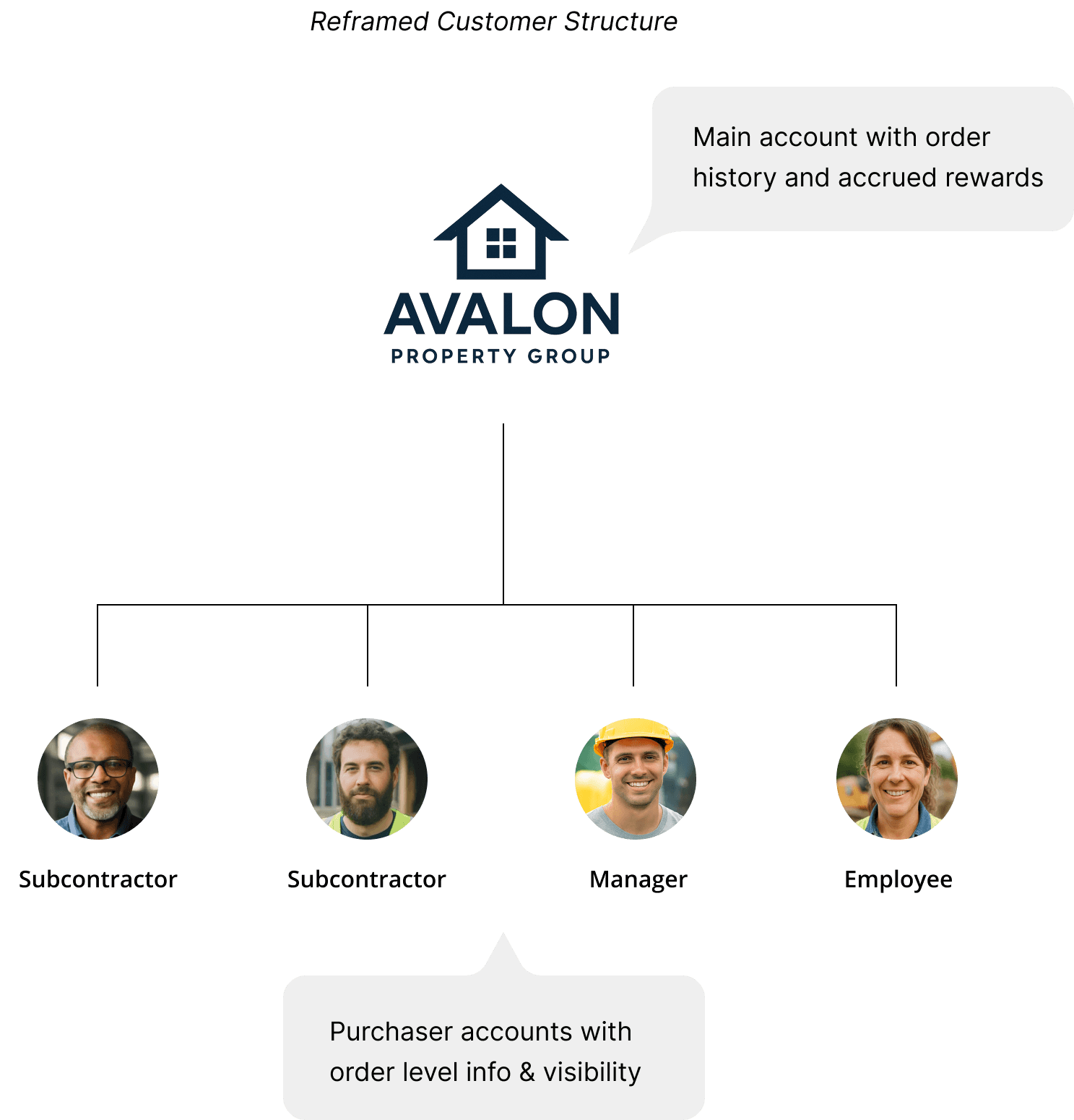
Through additional interviews with large Pro customers, we learned that businesses wanted a primary account for loyalty, rewards, and company-wide purchase history, along with purchaser accounts for individual employees making purchases on behalf of the business.
Because the legacy system couldn't support this model, associates often created duplicate customer records instead.
A Better Customer Model
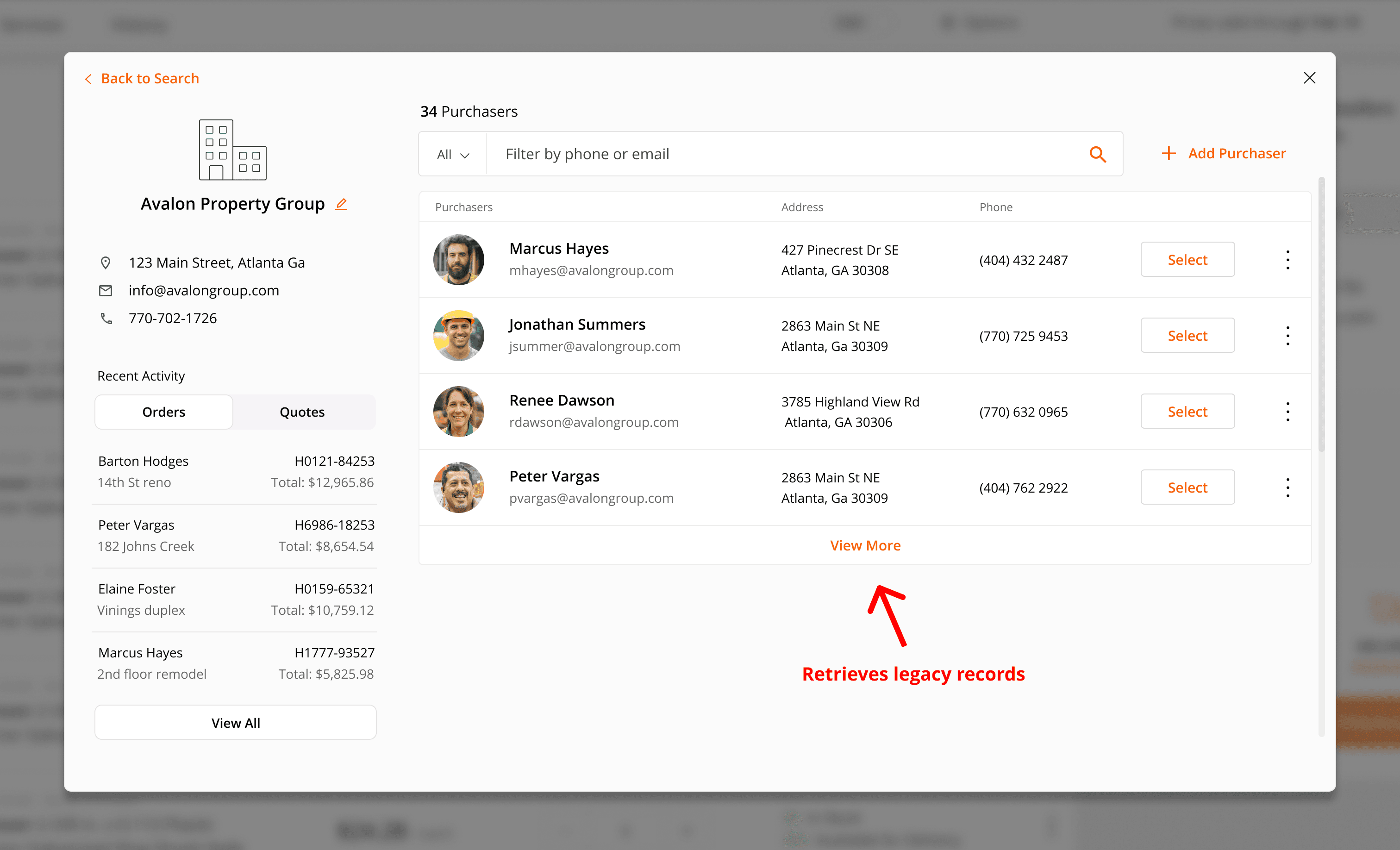
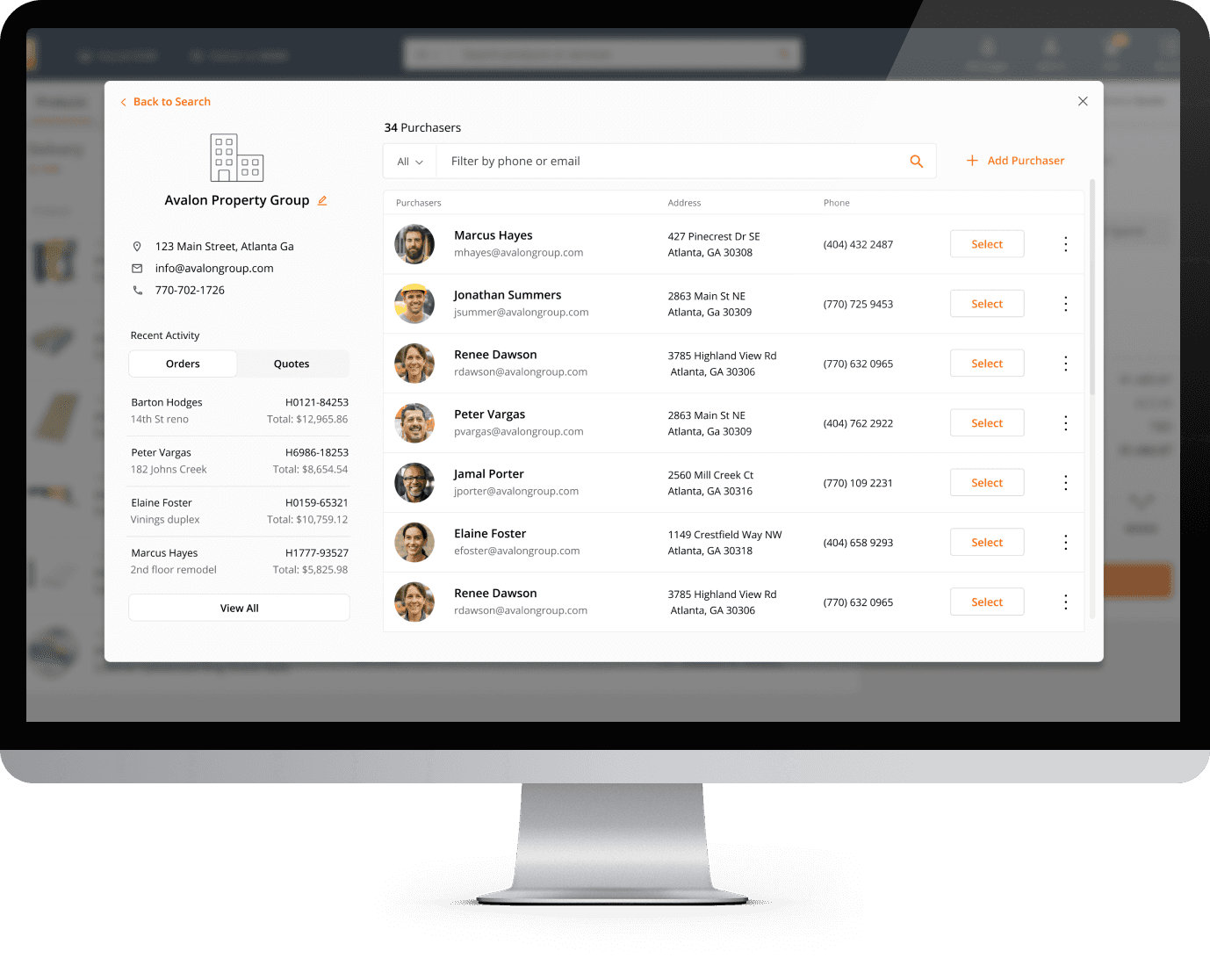
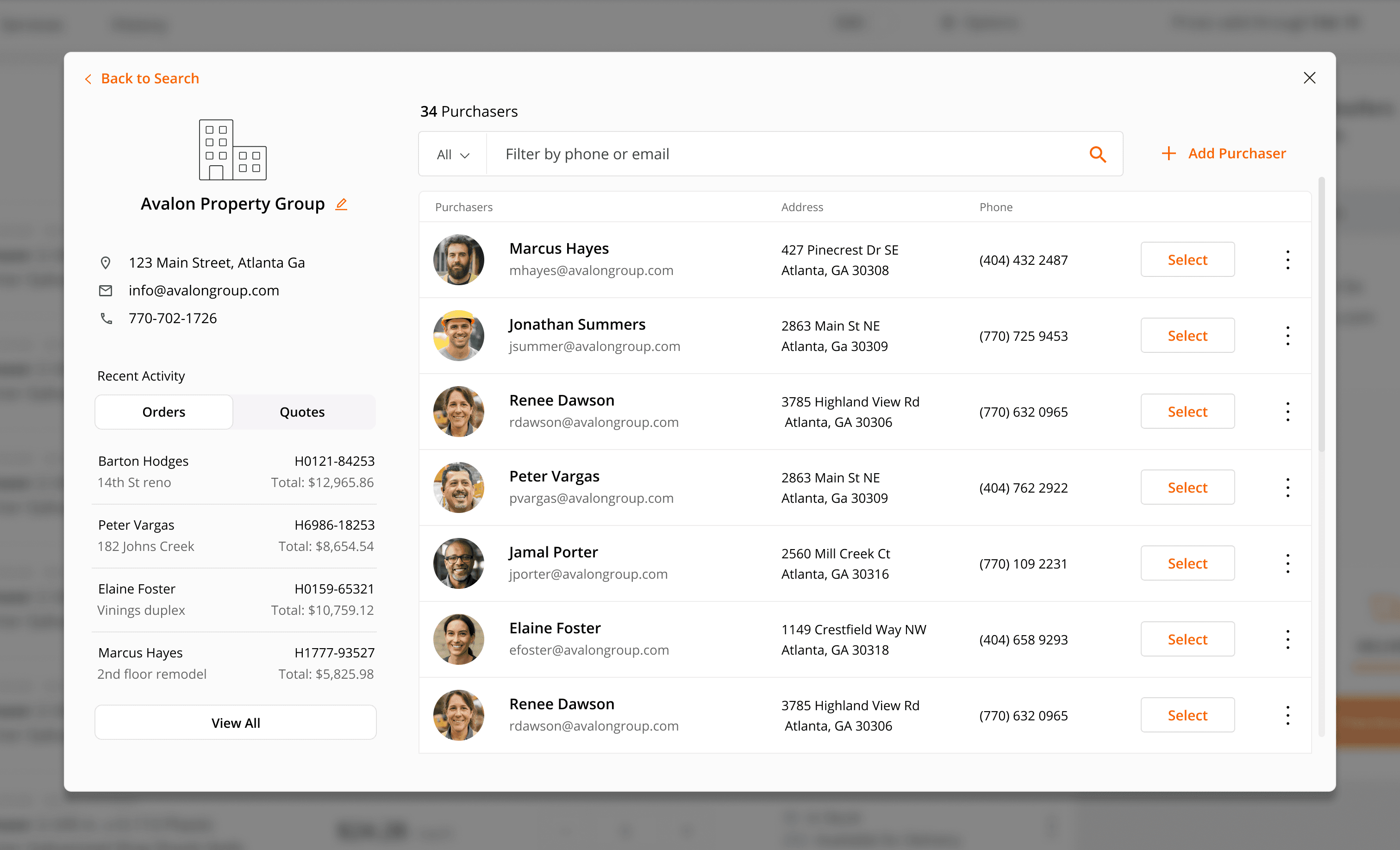
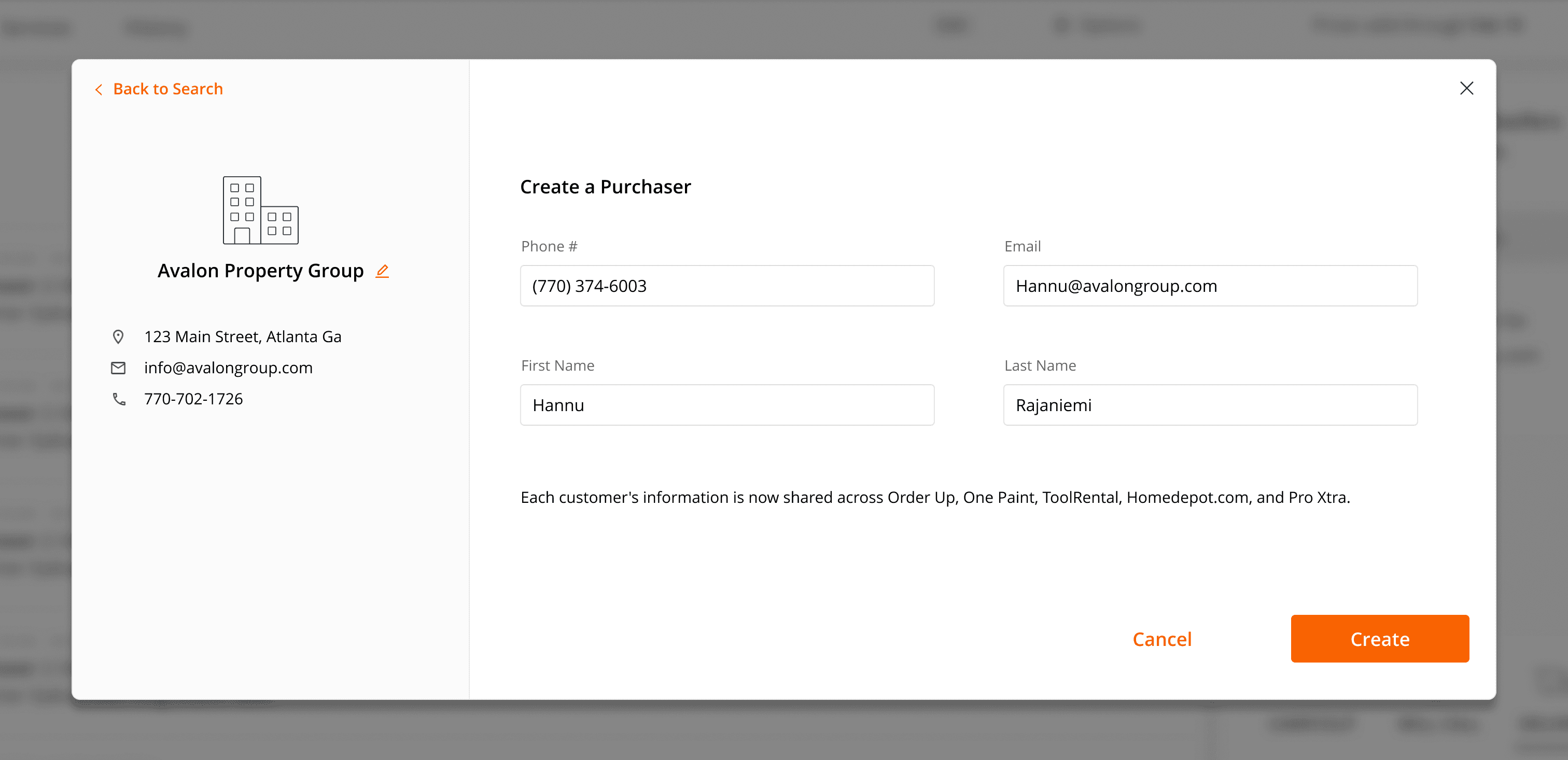
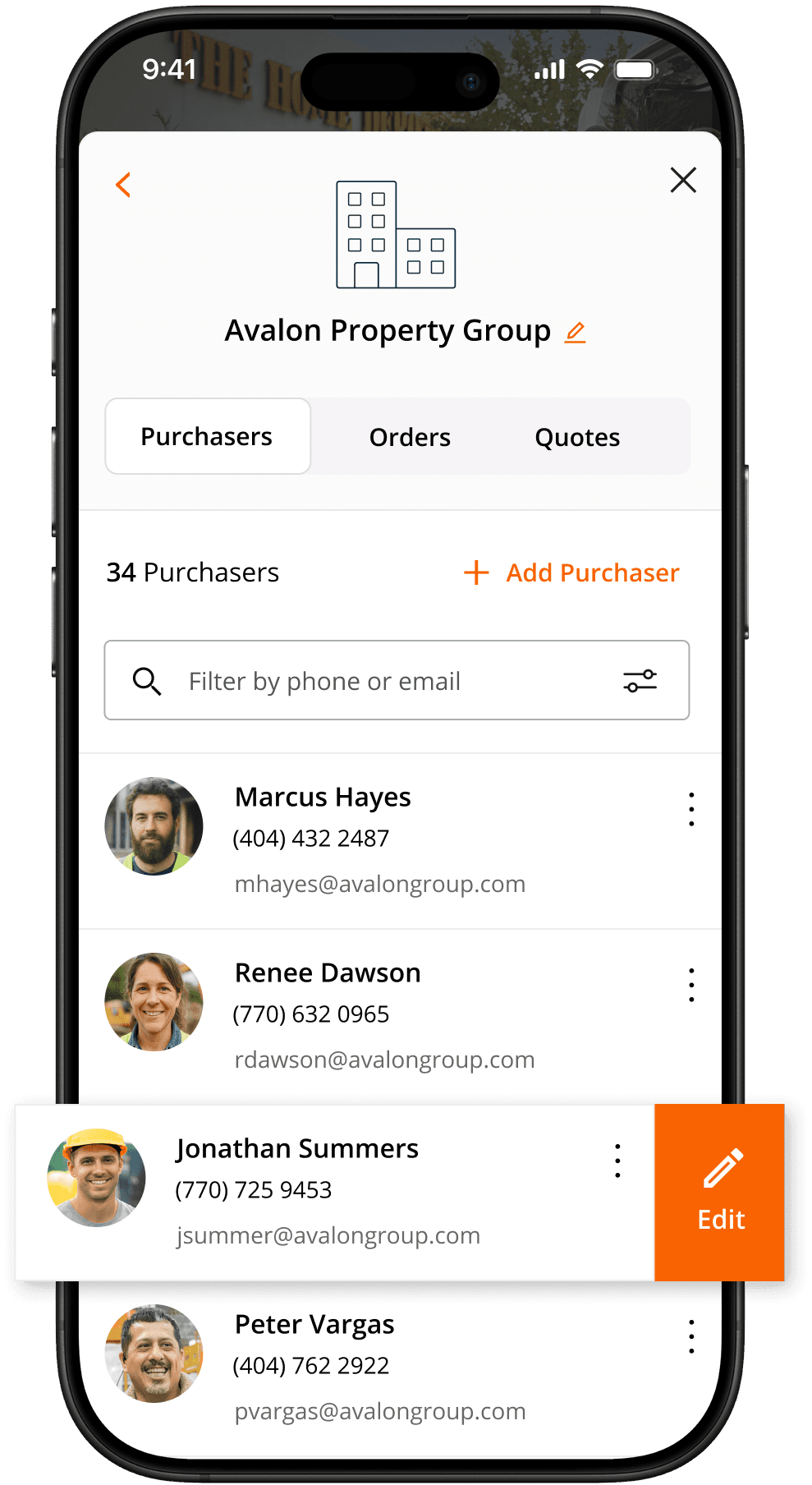
Customer selection was redesigned to reflect how Pro customers actually operate.
What initially looked like duplicate accounts turned out to be a workaround for managing multiple purchasers under a single company.
That insight led the customer team to rebuild their underlying data model to support multiple purchasers under a single account.
Migrating Legacy Customers
While the new customer model solved the problem moving forward, thousands of customer records still existed in the legacy database. To avoid disrupting store operations, we designed a migration experience that surfaced customers from the new system first while still providing access to legacy records when needed.
Selecting a legacy customer automatically migrated them into the new platform, allowing customer records to transition naturally through everyday associate workflows.