Personal Projects
Personal Projects
Personal Projects
AI Game Experiments
AI Game Experiments
AI Game Experiments
A collection of small ongoing game experiments exploring gameplay mechanics and interaction through AI-assisted workflows, focusing on testing ideas rather than polishing full products.
For these experiments, I've been using Visual Studios with Codex, and Cursor with Claude.
Frameworks and engines: Godot, Bablyon.js, Love2D
Years 2025-ongoing
A collection of small ongoing game experiments exploring gameplay mechanics and interaction through AI-assisted workflows, focusing on testing ideas rather than polishing full products.
For these experiments, I've been using Visual Studios with Codex, and Cursor with Claude.
Frameworks and engines: Godot, Bablyon.js, Love2D
Years 2025-ongoing
A collection of small ongoing game experiments exploring gameplay mechanics and interaction through AI-assisted workflows, focusing on testing ideas rather than polishing full products.
For these experiments, I've been using Visual Studios with Codex, and Cursor with Claude.
Frameworks and engines: Godot, Bablyon.js, Love2D
Years 2025-ongoing
A collection of small game experiments exploring mechanics, interaction, and visual style.
These were built quickly using AI-assisted workflows, focusing on testing ideas rather than polishing full products.
Used Visual Studios + Codex, and Cursor + Claude.
Frameworks and engines: Godot, Bablyon.js, Love2D
Years 2025-ongoing
SkyFall
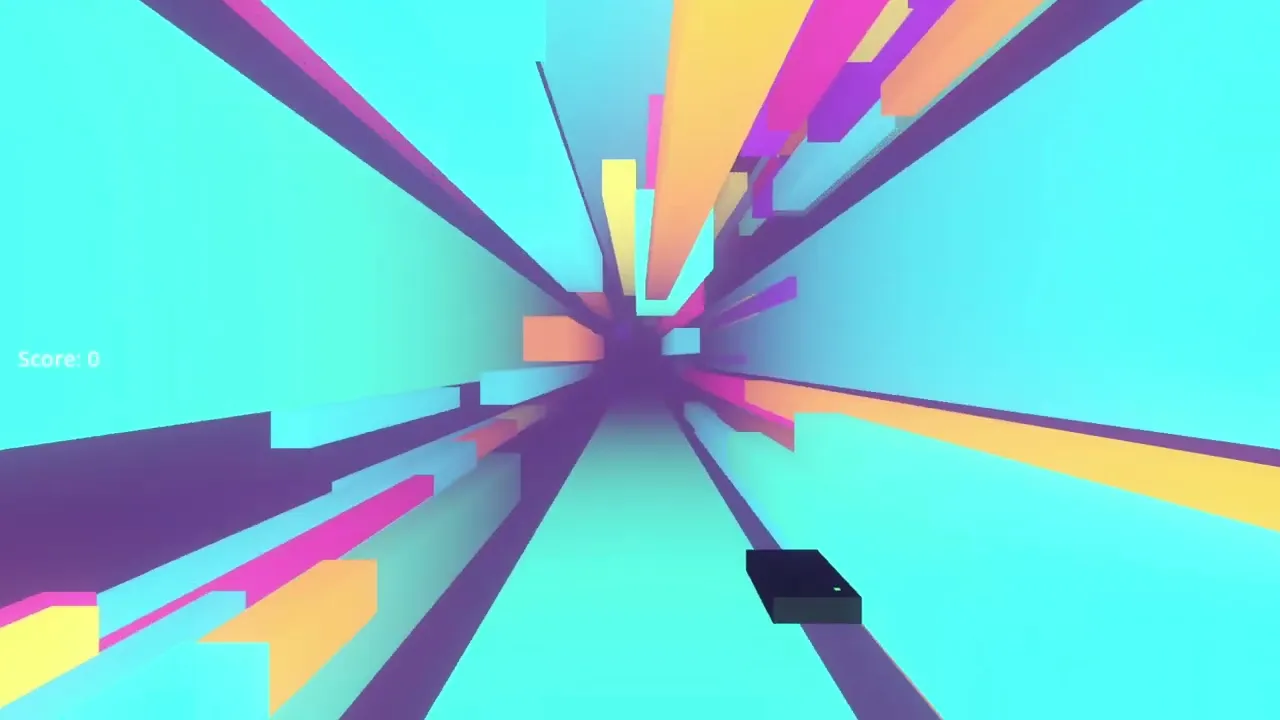
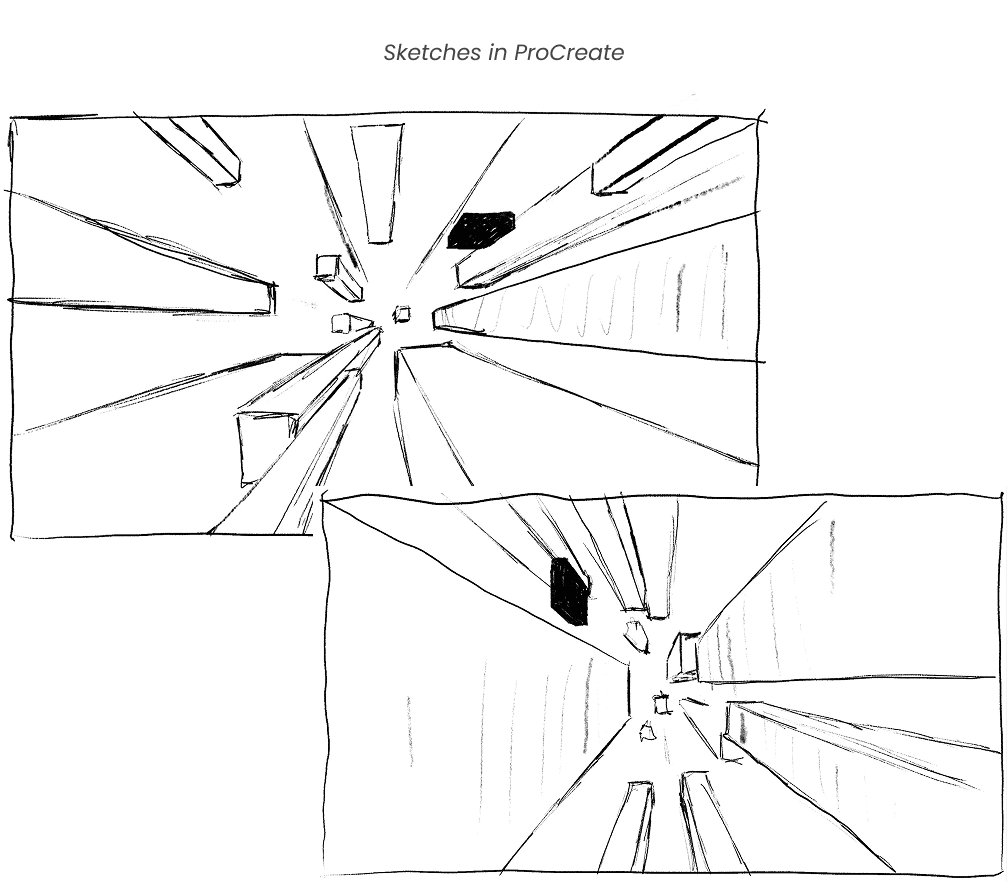
A minimalist endless falling experience where you guide a satellite-like form through geometric space.
This experiment focused on the relationship between the camera and movement, creating a more cinematic and slightly disorienting sense of motion.
SkyFall was built in Godot using Cursor + Claude.
Music created in Suno.
A minimalist endless falling experience where you guide a satellite-like form through geometric space.
This experiment focused on the relationship between the camera and movement, creating a more cinematic and slightly disorienting sense of motion.
SkyFall was built in Godot using Cursor + Claude.
Music created in Suno.
A minimalist endless falling experience where you guide a satellite-like form through geometric space.
This experiment focused on the relationship between the camera and movement, creating a more cinematic and slightly disorienting sense of motion.
SkyFall was built in Godot using Cursor + Claude.
Music created in Suno.
Clip from SkyFall
Clip from SkyFall
PuzzleHunt
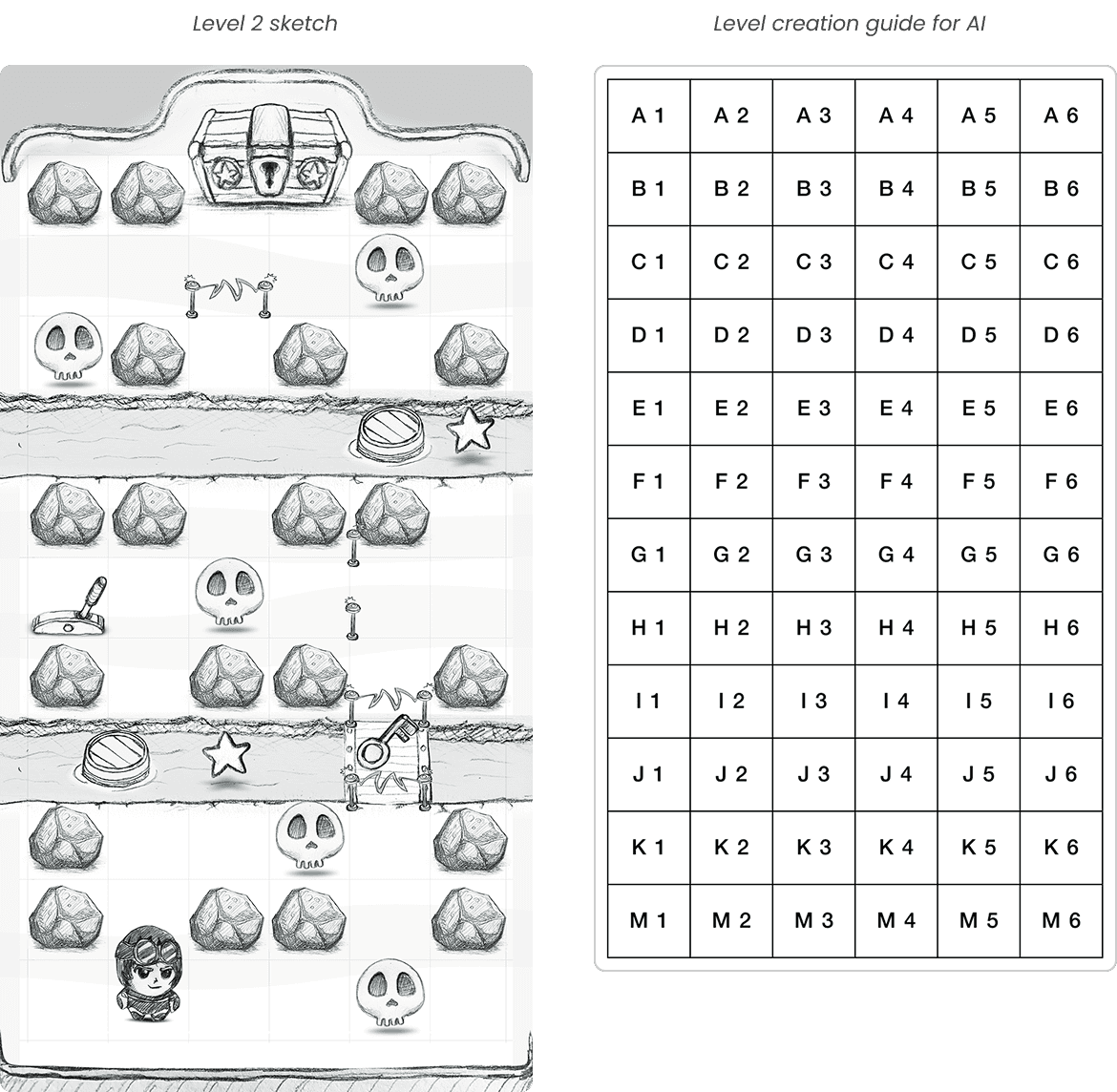
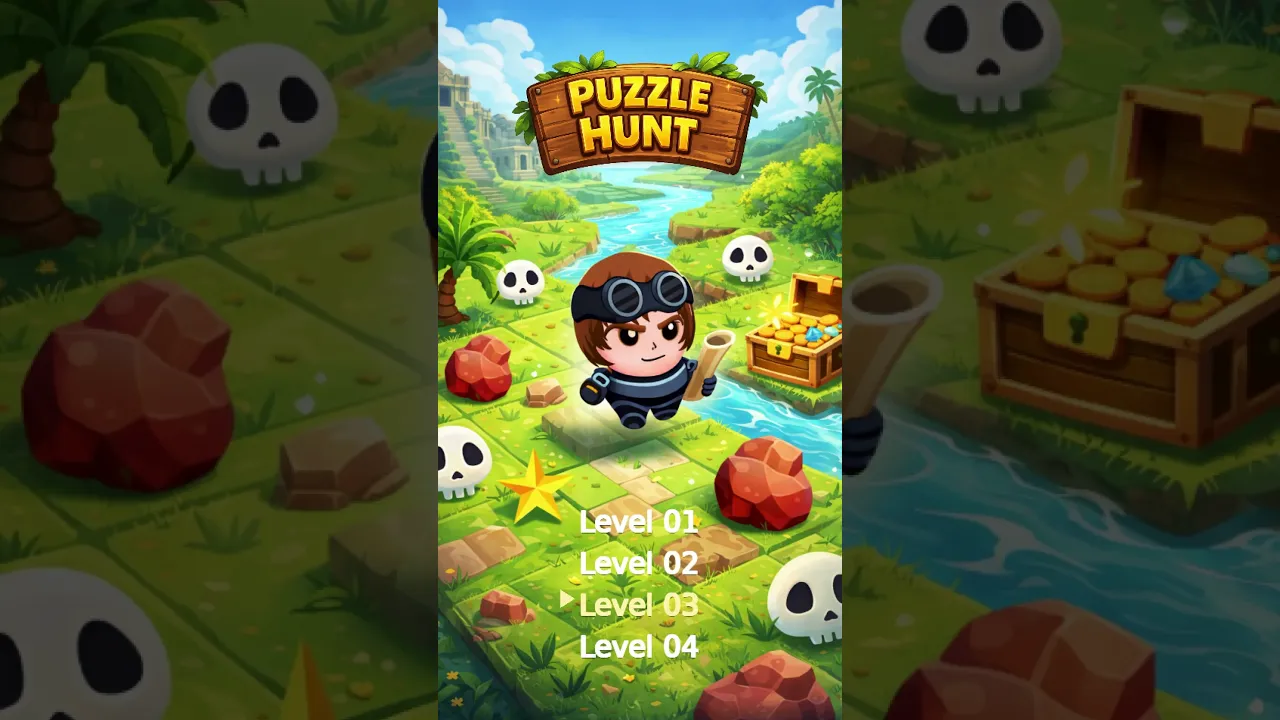
A grid-based puzzle game built around simple, tile-by-tile movement.
Each level acts as a small system of enemies, hazards, and interactions, where progress comes from understanding how everything behaves and connects and timing your movements precisely.
Built in Love2D framework using Visual Studio + Codex. Audio was created with Suno and Adobe Firefly.
A grid-based puzzle game built around simple, tile-by-tile movement.
Each level acts as a small system of enemies, hazards, and interactions, where progress comes from understanding how everything behaves and connects and timing your movements precisely.
Built in Love2D framework using Visual Studio + Codex. Audio was created with Suno and Adobe Firefly.
A grid-based puzzle game built around simple, tile-by-tile movement.
Each level acts as a small system of enemies, hazards, and interactions, where progress comes from understanding how everything behaves and connects and timing your movements precisely.
Built in Love2D framework using Visual Studio + Codex. Audio was created with Suno and Adobe Firefly.
Clip from PuzzleHunt
Clip from PuzzleHunt
ArenaX
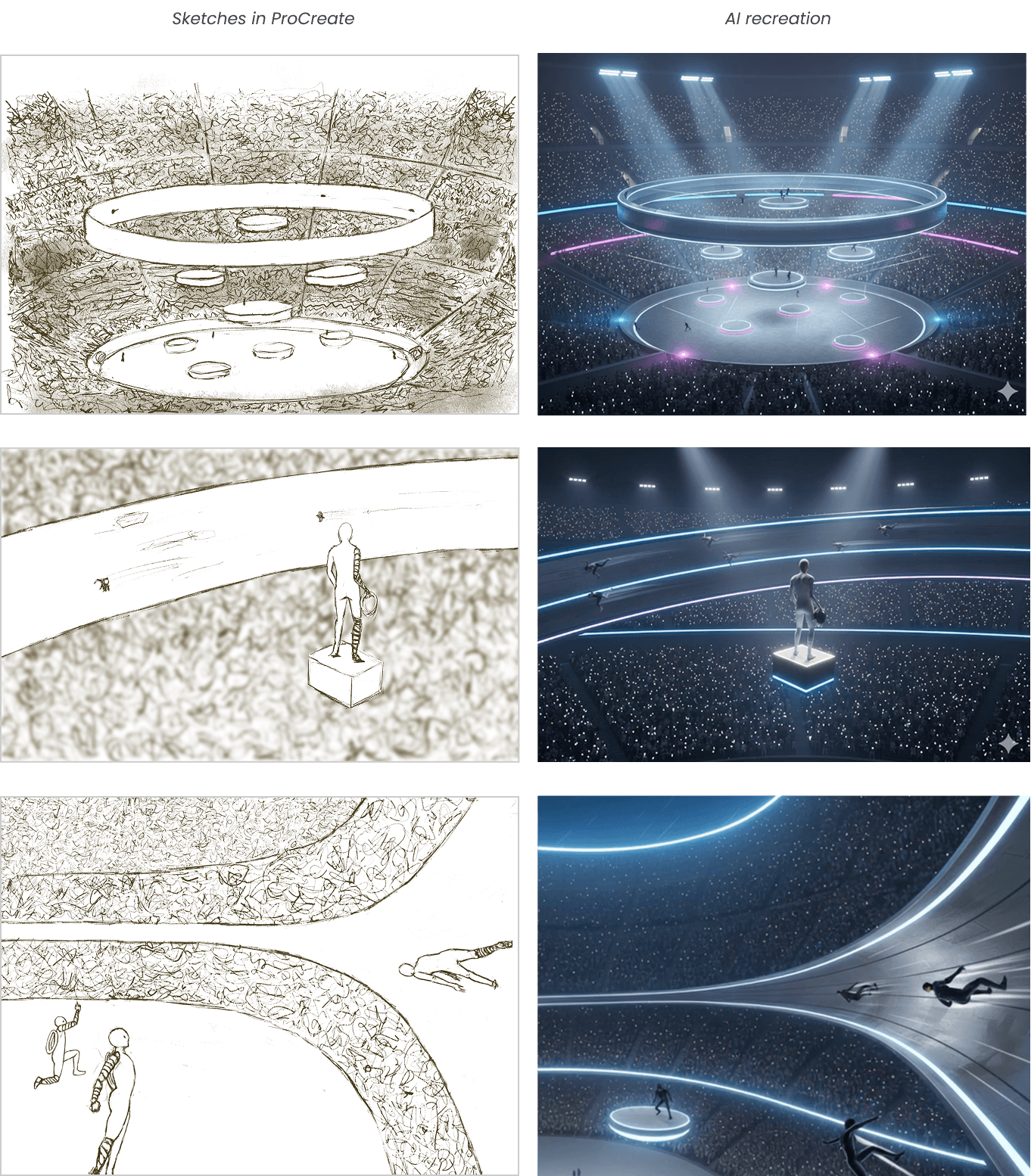
A team-based sport set inside a massive spherical arena, built around gravity-defying rings that run along the interior.
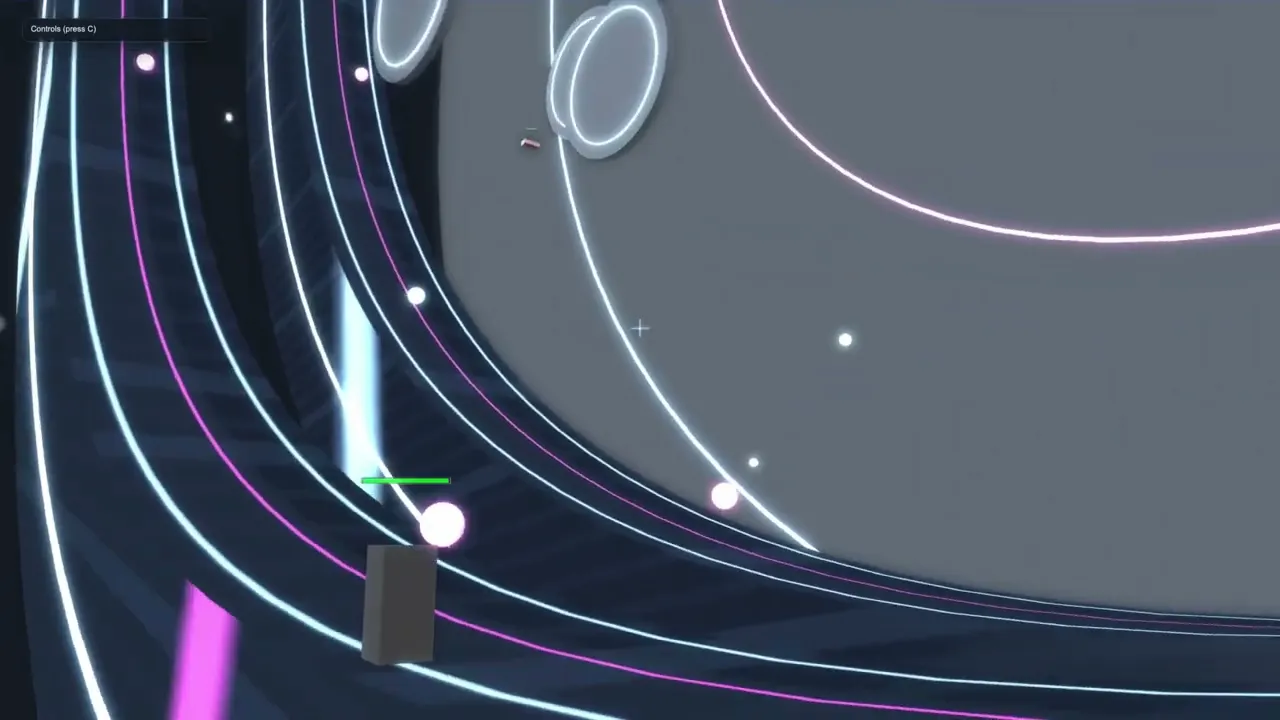
This experiment focused on how it feels to transition from the arena floor onto the rings, where gravity shifts and movement follows the curve of the rings. The goal was to see if this shift in perspective and movement could create a compelling core mechanic.
I used simple rectangles in place of characters so I could focus on building the core mechanic.
Built with Cursor + Claude using Babylon.js framework.
Audio was created with Suno and Adobe Firefly.
A team-based sport set inside a massive spherical arena, built around gravity-defying rings that run along the interior.
This experiment focused on how it feels to transition from the arena floor onto the rings, where gravity shifts and movement follows the curve of the rings. The goal was to see if this shift in perspective and movement could create a compelling core mechanic.
I used simple rectangles in place of characters so I could focus on building the core mechanic.
Built with Cursor + Claude using Babylon.js framework.
Audio was created with Suno and Adobe Firefly.
A team-based sport set inside a massive spherical arena, built around gravity-defying rings that run along the interior.
This experiment focused on how it feels to transition from the arena floor onto the rings, where gravity shifts and movement follows the curve of the rings. The goal was to see if this shift in perspective and movement could create a compelling core mechanic.
I used simple rectangles in place of characters so I could focus on building the core mechanic.
Built with Cursor + Claude using Babylon.js framework.
Audio was created with Suno and Adobe Firefly.
Clips from ArenaX
Clips from ArenaX
Shots Fired
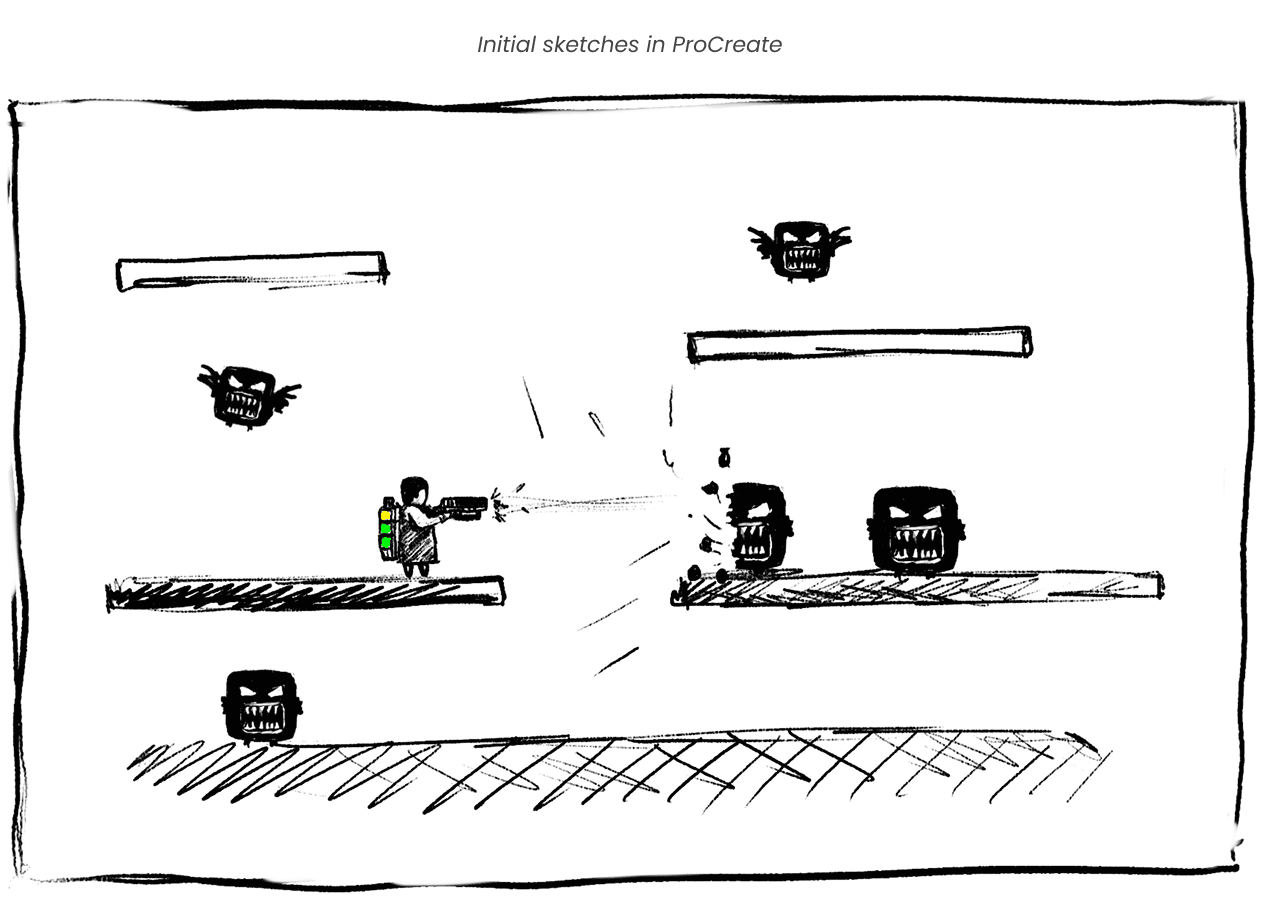
A fast, over-the-top 2D side-scrolling shooter inspired by classic action films and sci-fi. The goal was to make shooting feel loud, messy, and satisfying, with fast, aggressive movement driven by a booster pack that allows for chained mid-air jumps.
I kept the visuals minimal and focused on gameplay. Weapons are heavy and reactive, with debris, impact, and exaggerated enemy feedback driving the experience. This was the most purely “fun” prototype (its very fun to play too).
Built in Love2D using Visual Studio + Codex. Audio created with Suno and Adobe Firefly.
A fast, over-the-top 2D side-scrolling shooter inspired by classic action films and sci-fi. The goal was to make shooting feel loud, messy, and satisfying, with fast, aggressive movement driven by a booster pack that allows for chained mid-air jumps.
I kept the visuals minimal and focused on gameplay. Weapons are heavy and reactive, with debris, impact, and exaggerated enemy feedback driving the experience. This was the most purely “fun” prototype (its very fun to play too).
Built in Love2D using Visual Studio + Codex. Audio created with Suno and Adobe Firefly.
A fast, over-the-top 2D side-scrolling shooter inspired by classic action films and sci-fi. The goal was to make shooting feel loud, messy, and satisfying, with fast, aggressive movement driven by a booster pack that allows for chained mid-air jumps.
I kept the visuals minimal and focused on gameplay. Weapons are heavy and reactive, with debris, impact, and exaggerated enemy feedback driving the experience. This was the most purely “fun” prototype (its very fun to play too).
Built in Love2D using Visual Studio + Codex. Audio created with Suno and Adobe Firefly.
Clip from Shots Fired
Clip from Shots Fired
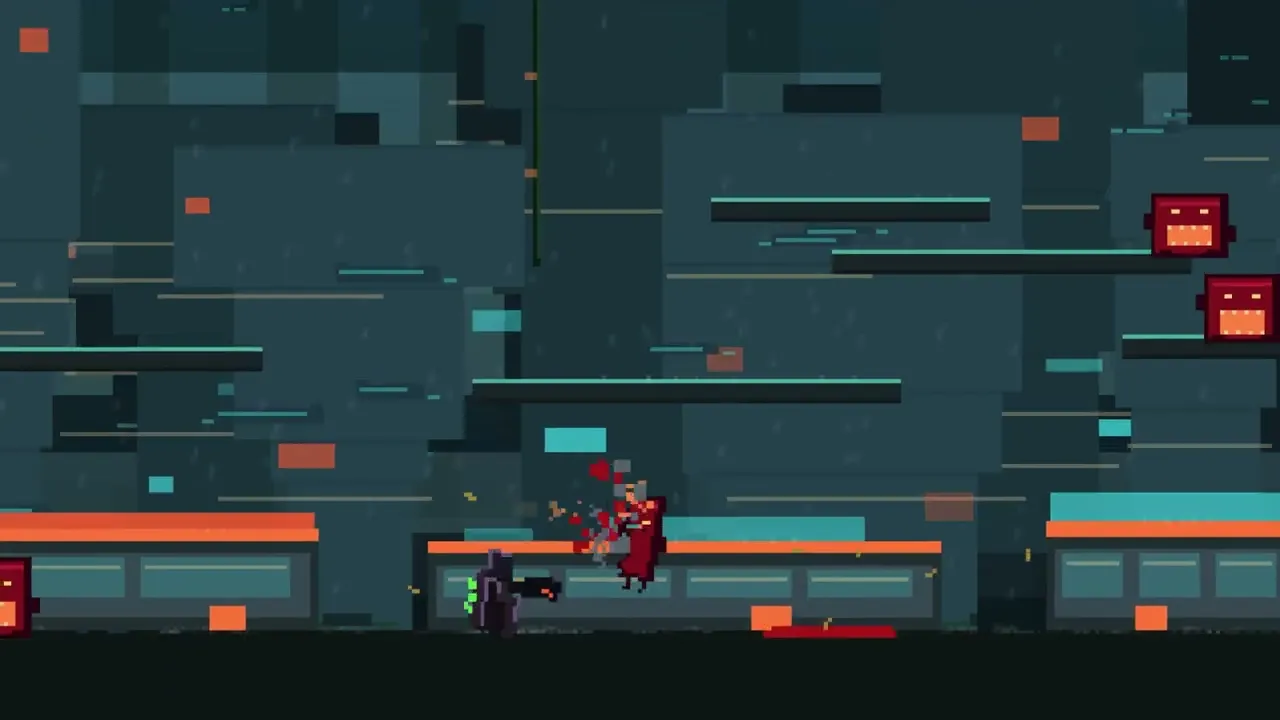
Revolver
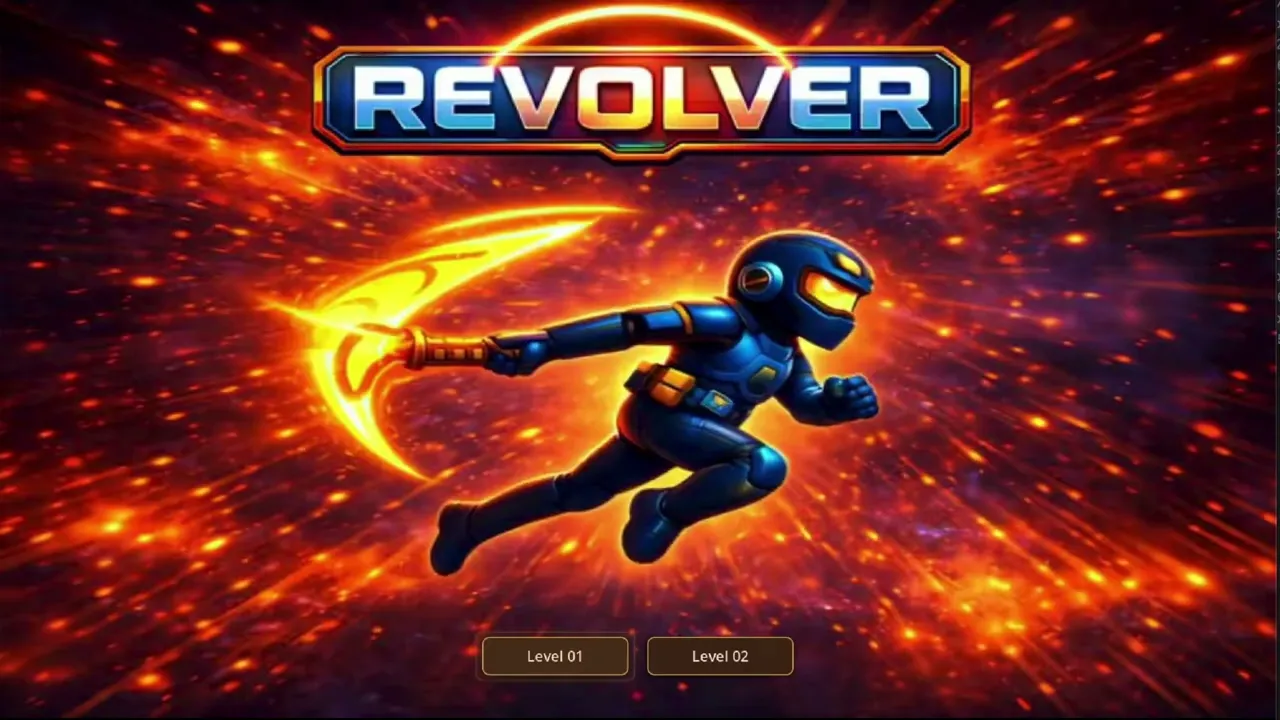
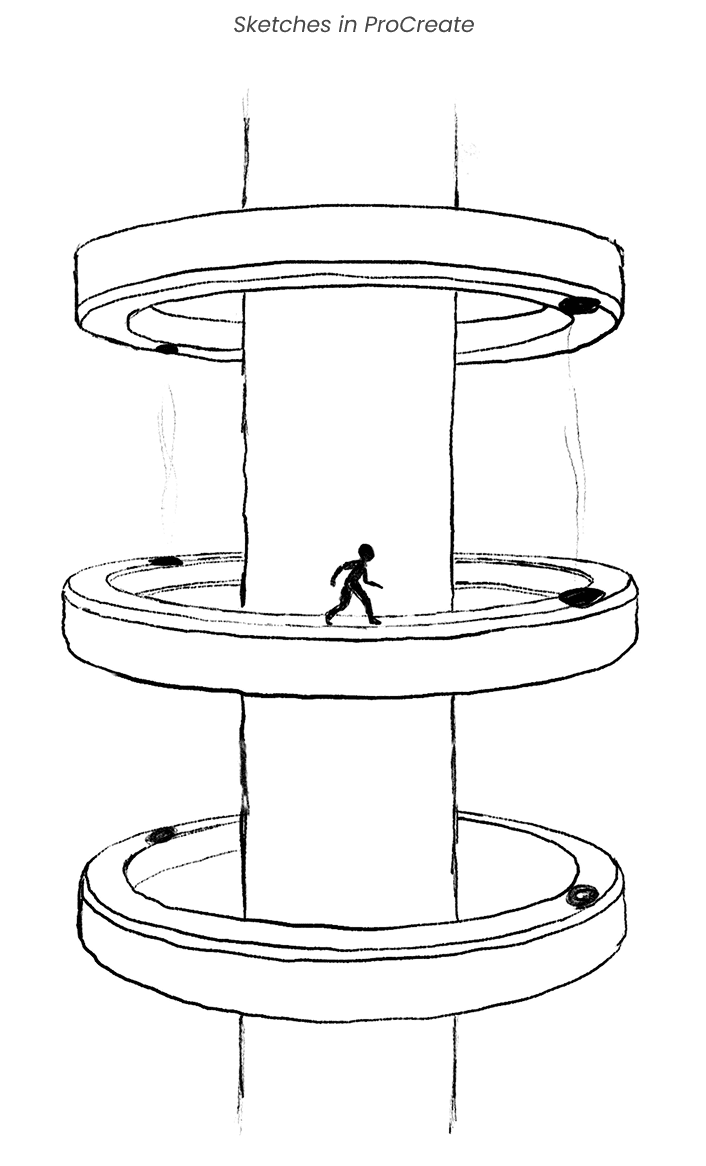
A side-scrolling action game set inside a cylindrical tower made up of stacked vertical levels. Movement wraps around each level while progression moves upward, combining circular traversal with vertical exploration.
At the center is a throwable boomerang that acts as both a weapon and an interaction tool, connecting combat and environment into a single system.
This experiment focused on how circular movement and vertical progression could exist within a continuous space.
Built in Godot using Cursor + Claude.
A side-scrolling action game set inside a cylindrical tower made up of stacked vertical levels. Movement wraps around each level while progression moves upward, combining circular traversal with vertical exploration.
At the center is a throwable boomerang that acts as both a weapon and an interaction tool, connecting combat and environment into a single system.
This experiment focused on how circular movement and vertical progression could exist within a continuous space.
Built in Godot using Cursor + Claude.
A side-scrolling action game set inside a cylindrical tower made up of stacked vertical levels. Movement wraps around each level while progression moves upward, combining circular traversal with vertical exploration.
At the center is a throwable boomerang that acts as both a weapon and an interaction tool, connecting combat and environment into a single system.
This experiment focused on how circular movement and vertical progression could exist within a continuous space.
Built in Godot using Cursor + Claude.
Clip from Revolver
Clip from Revolver