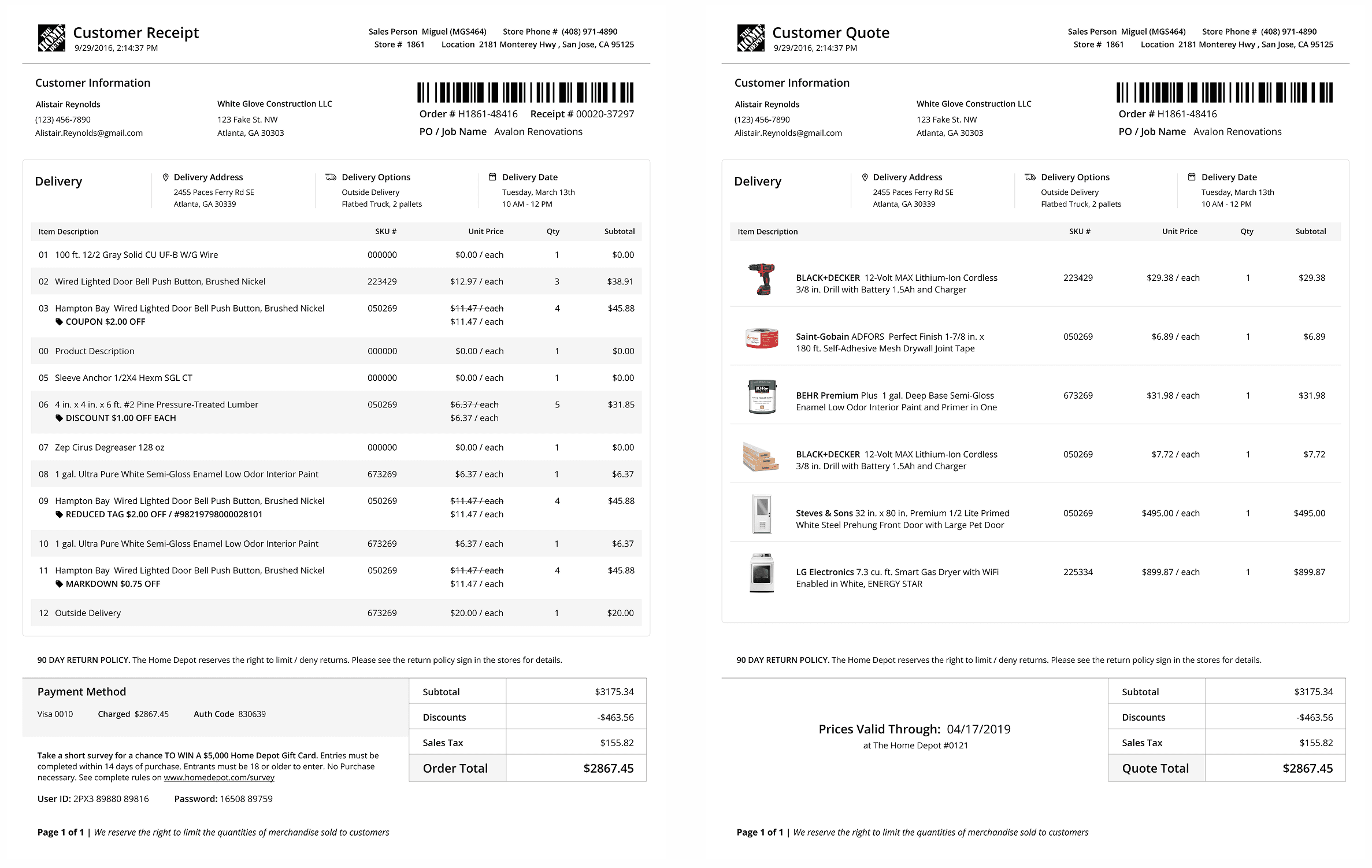
The Problem
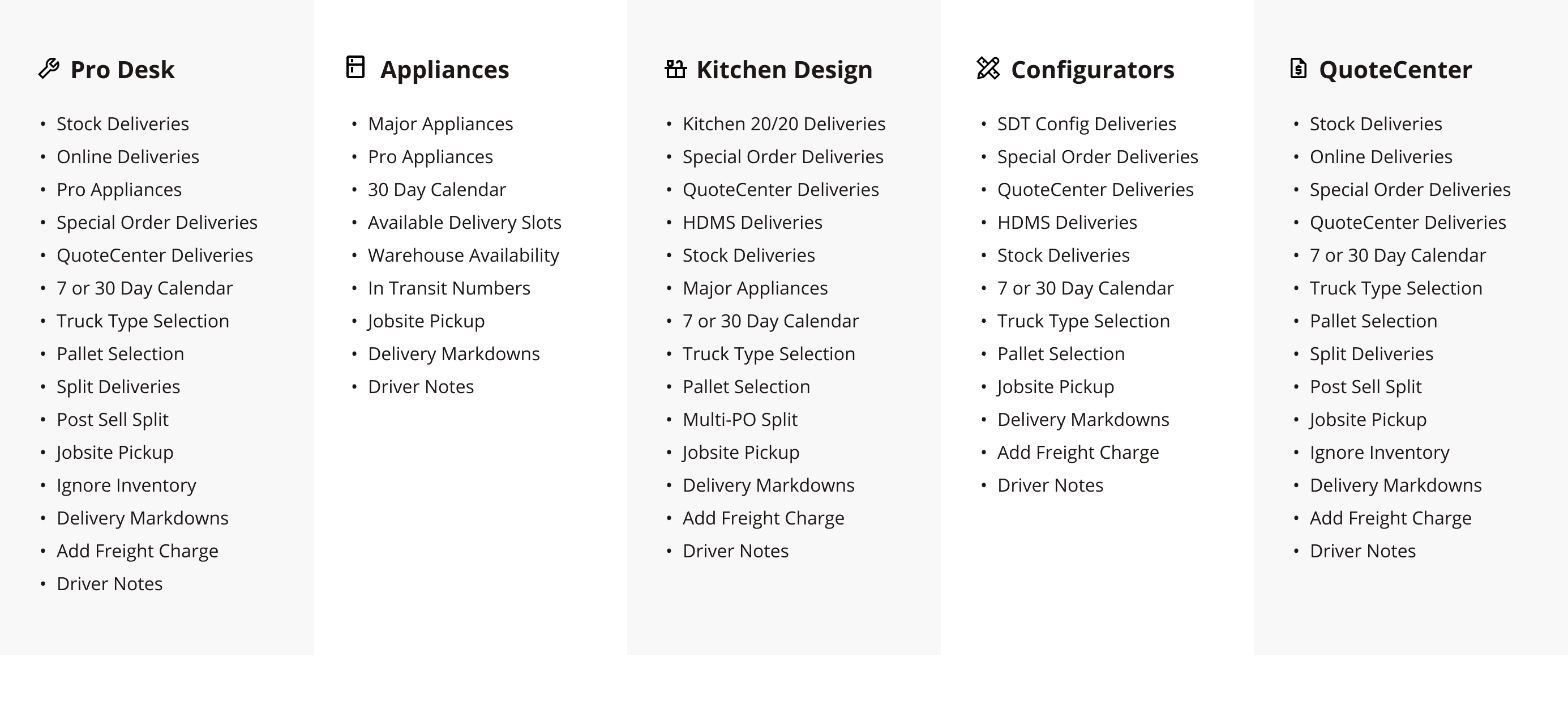
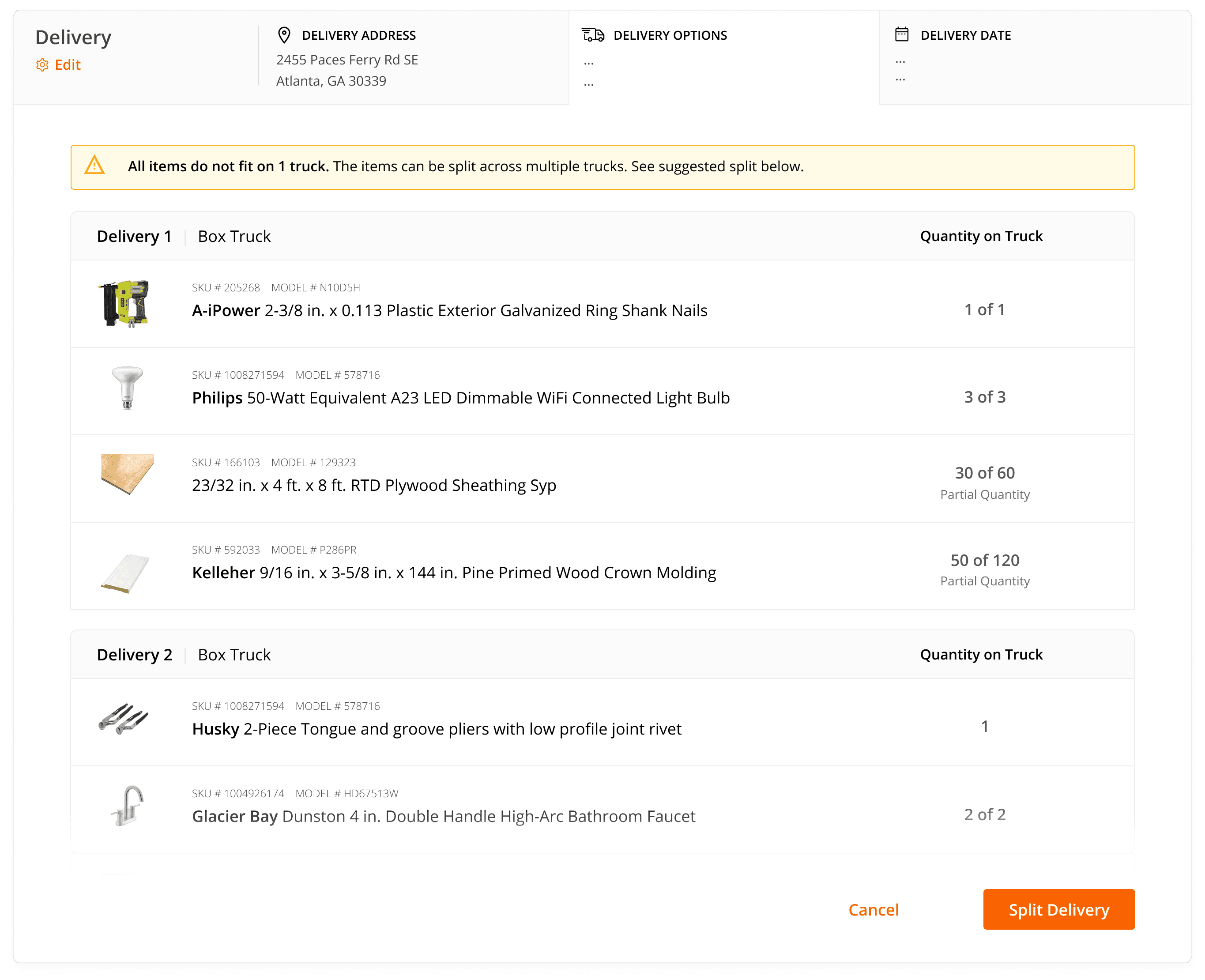
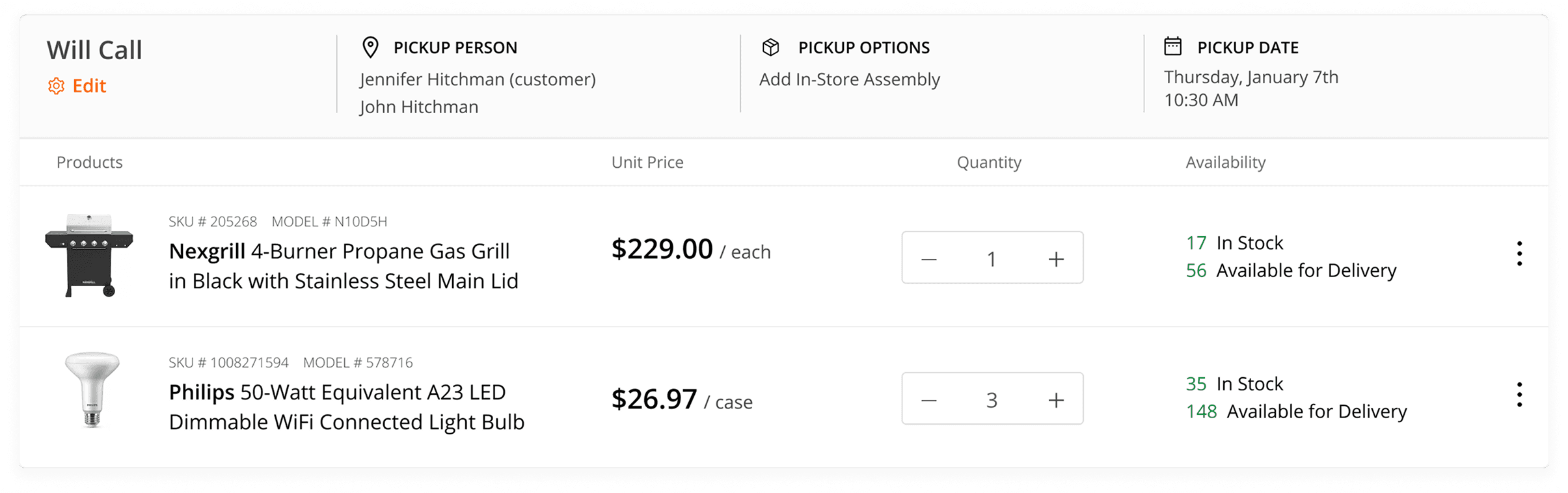
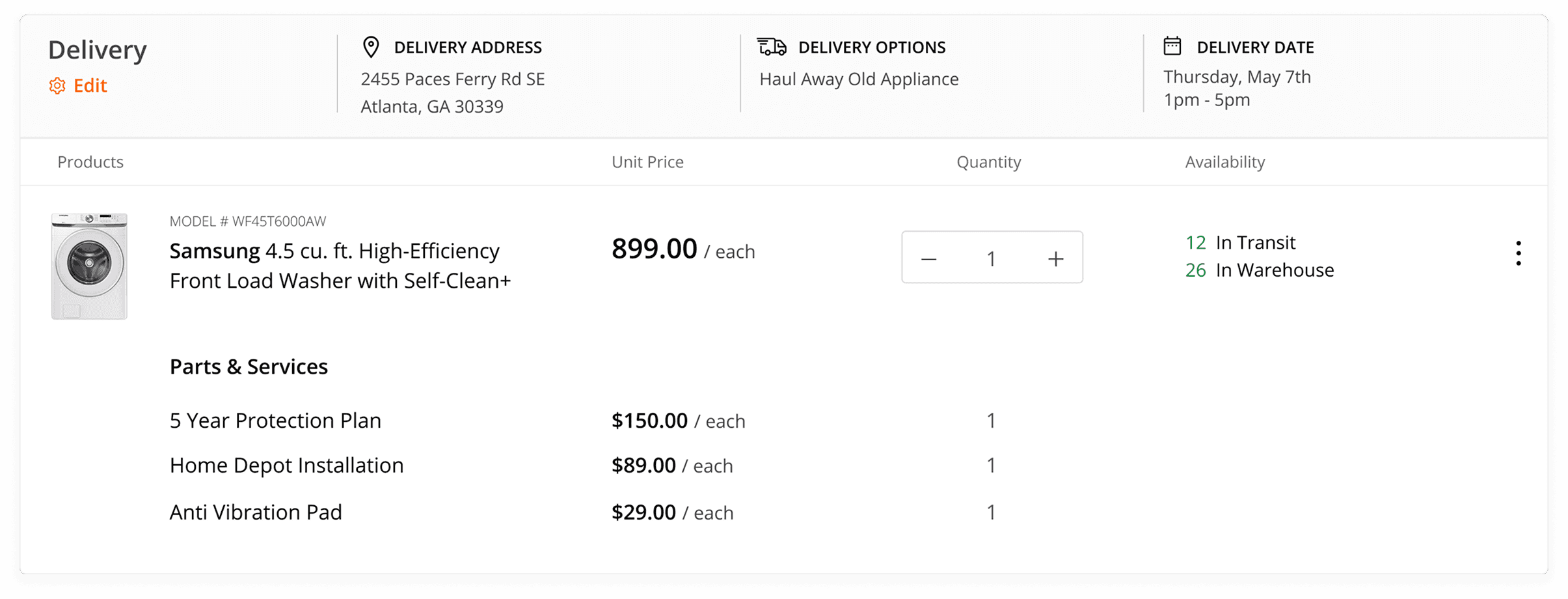
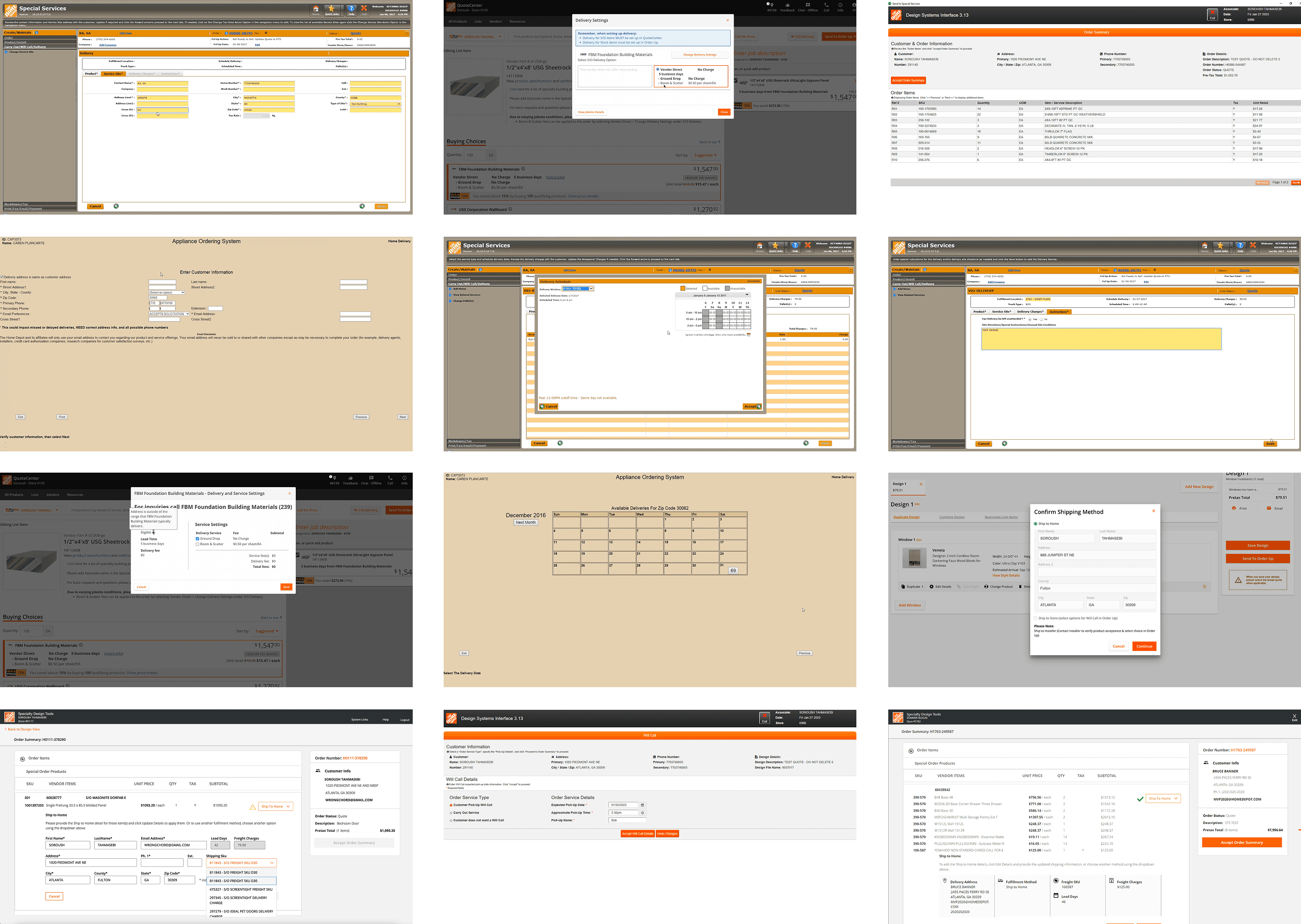
Deliveries were fragmented across multiple systems and networks, each with its own rules, constraints, and service models.
Depending on what was being sold, associates had to navigate completely different workflows to schedule a delivery.
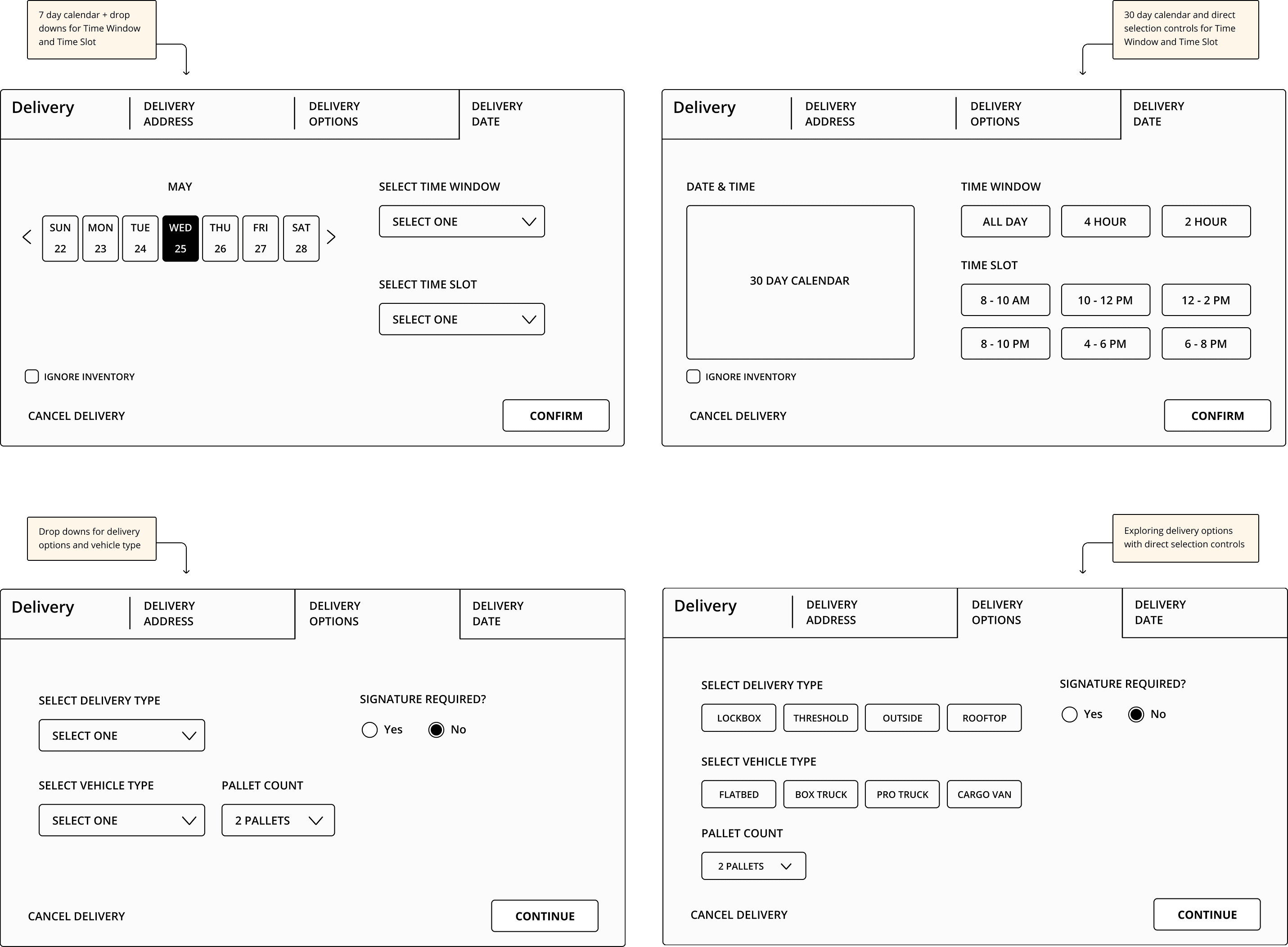
Associates consistently asked for more support from the system, without losing flexibility.
A Simpler Model
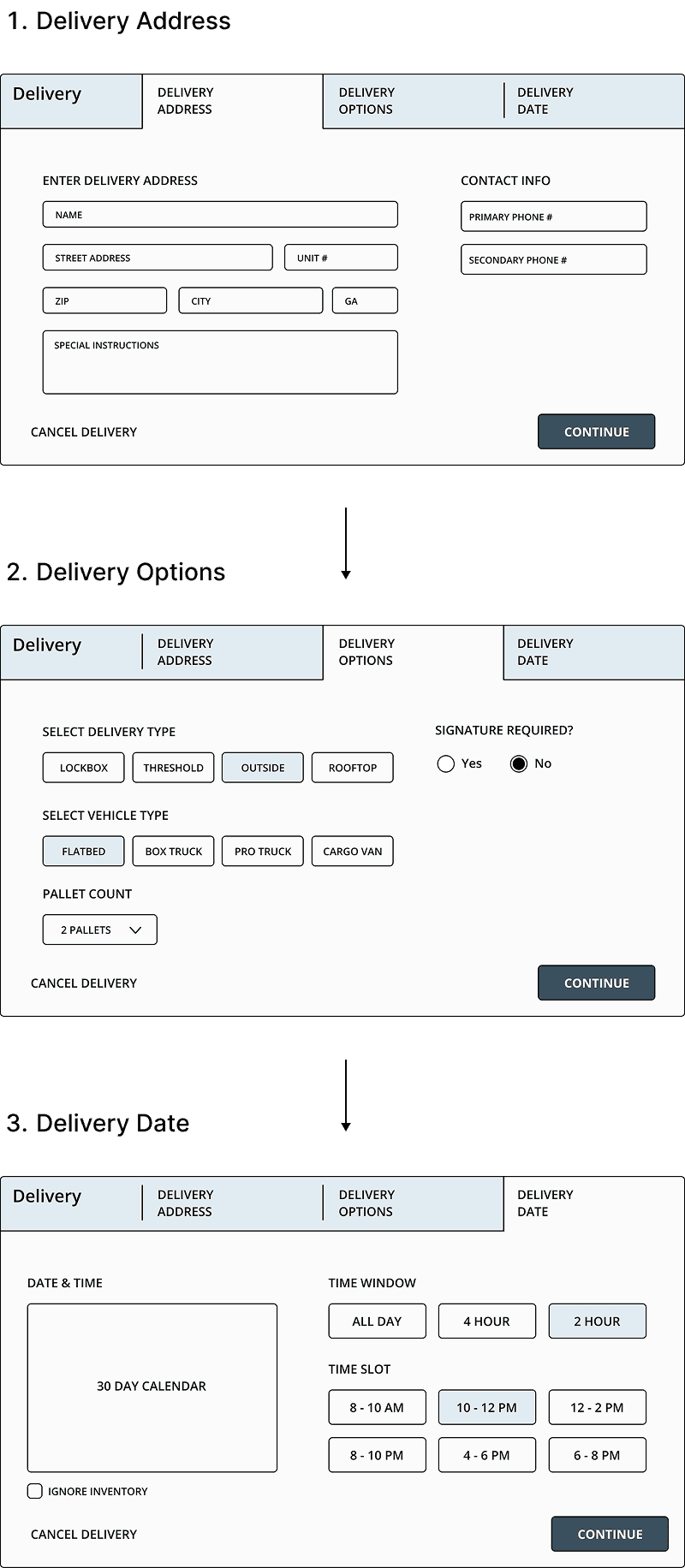
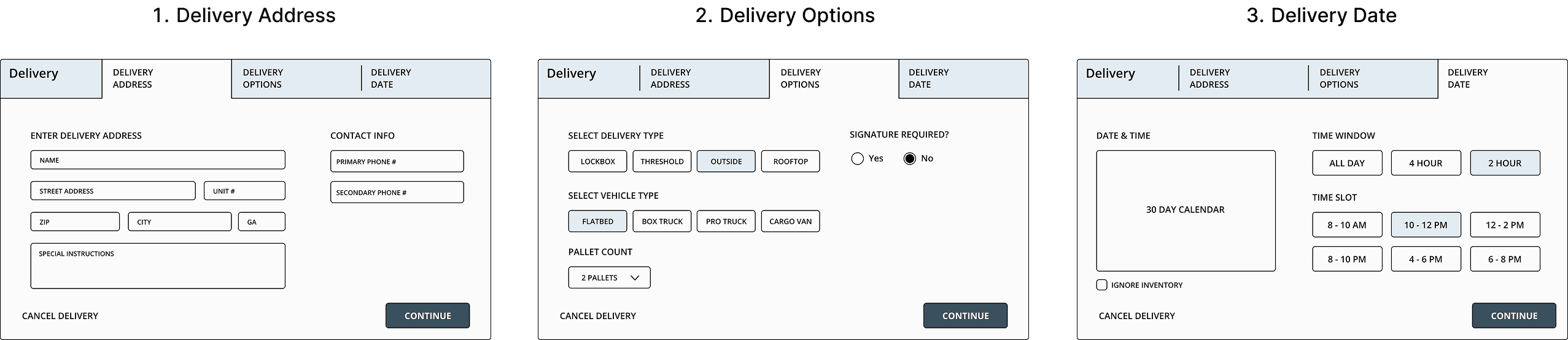
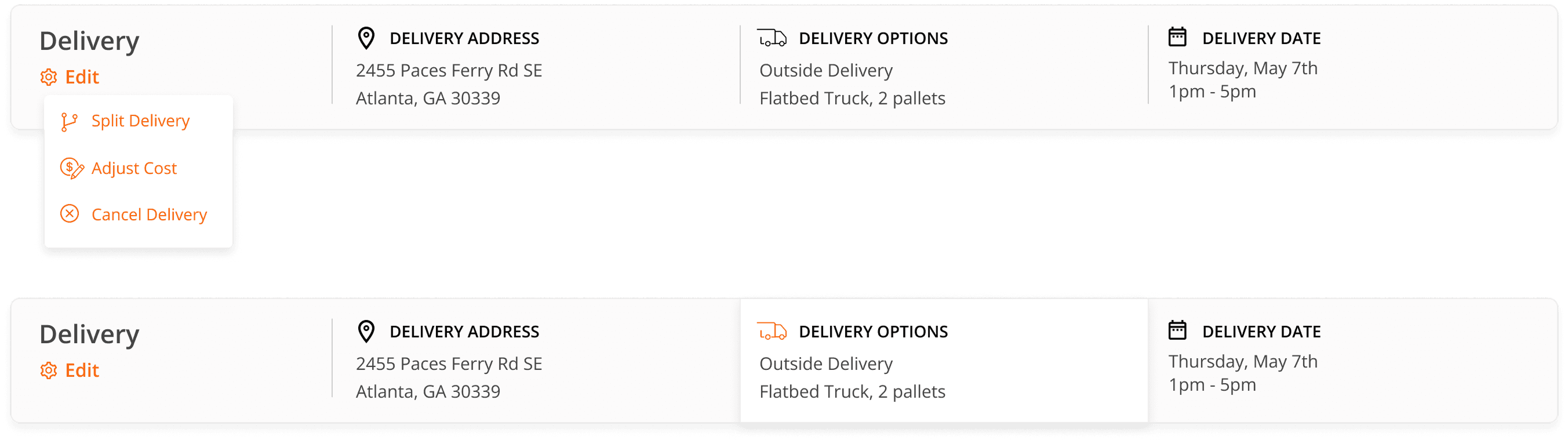
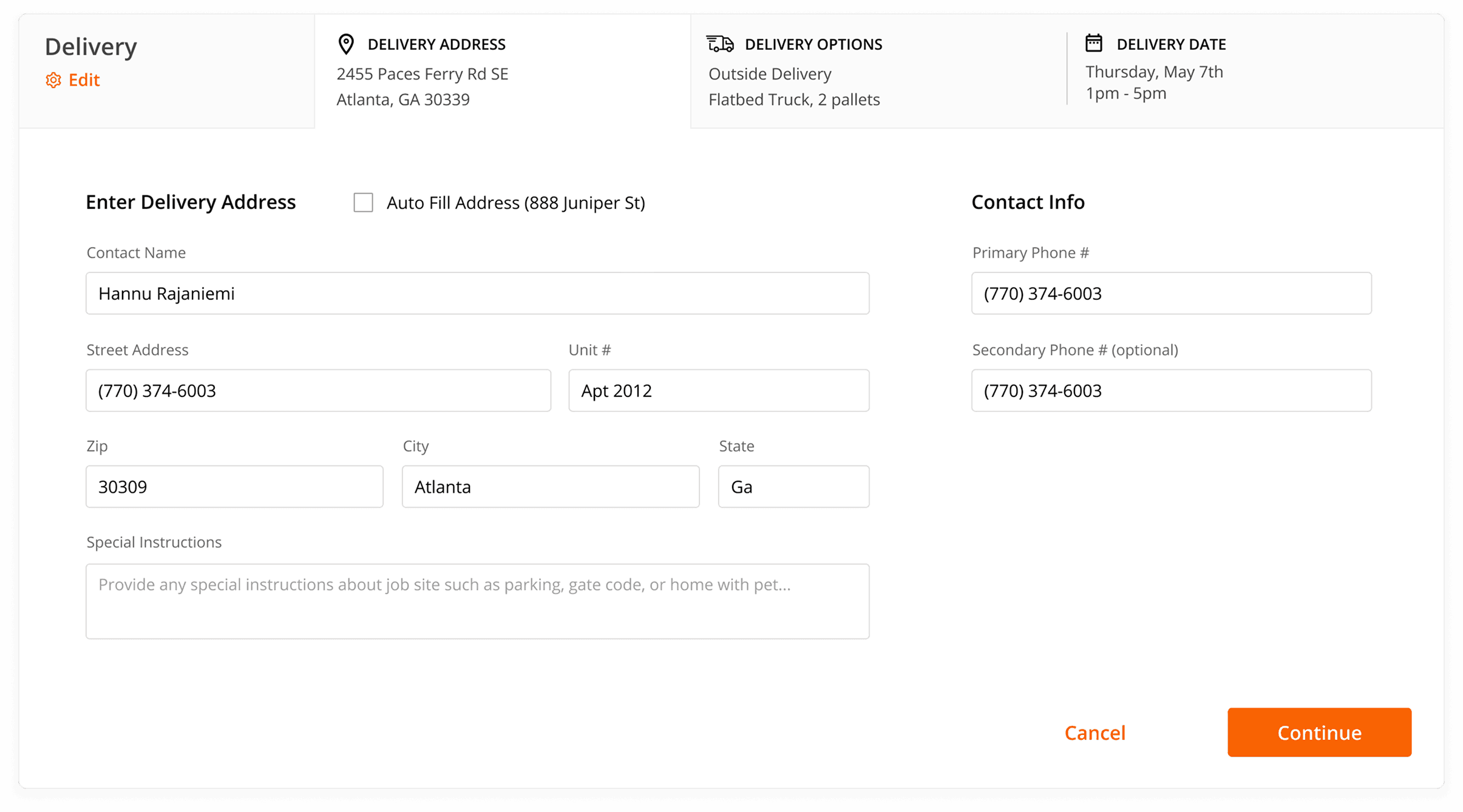
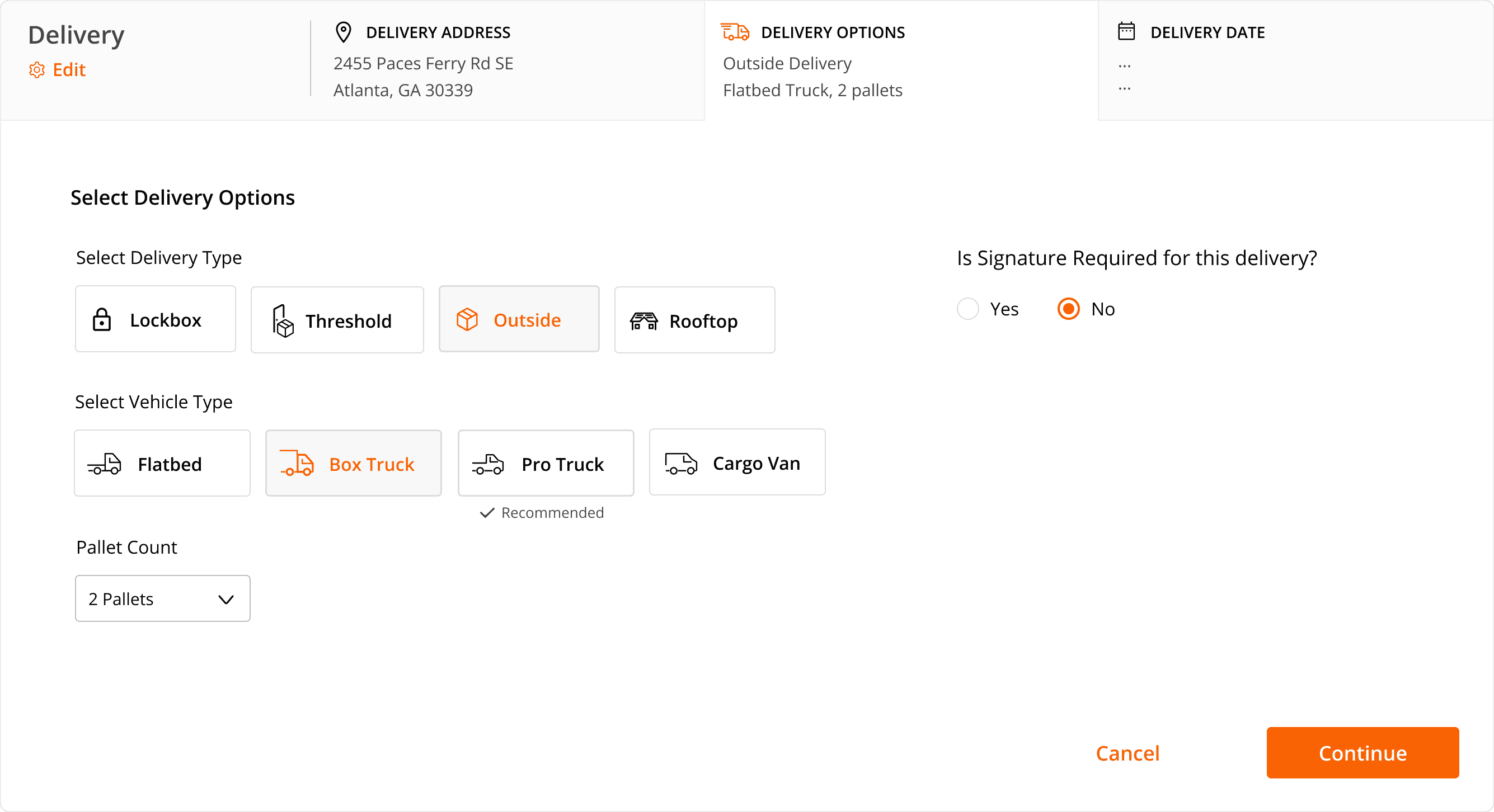
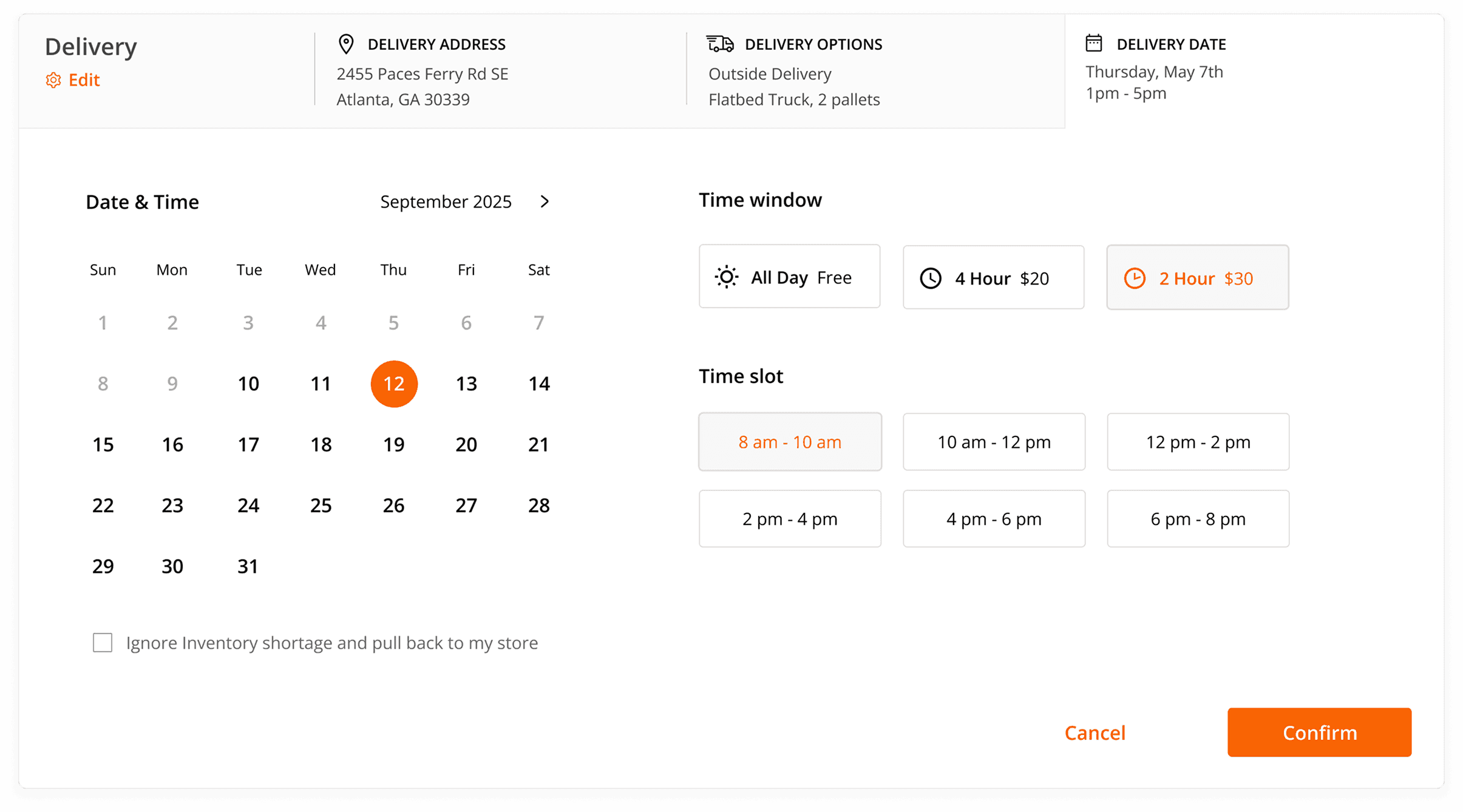
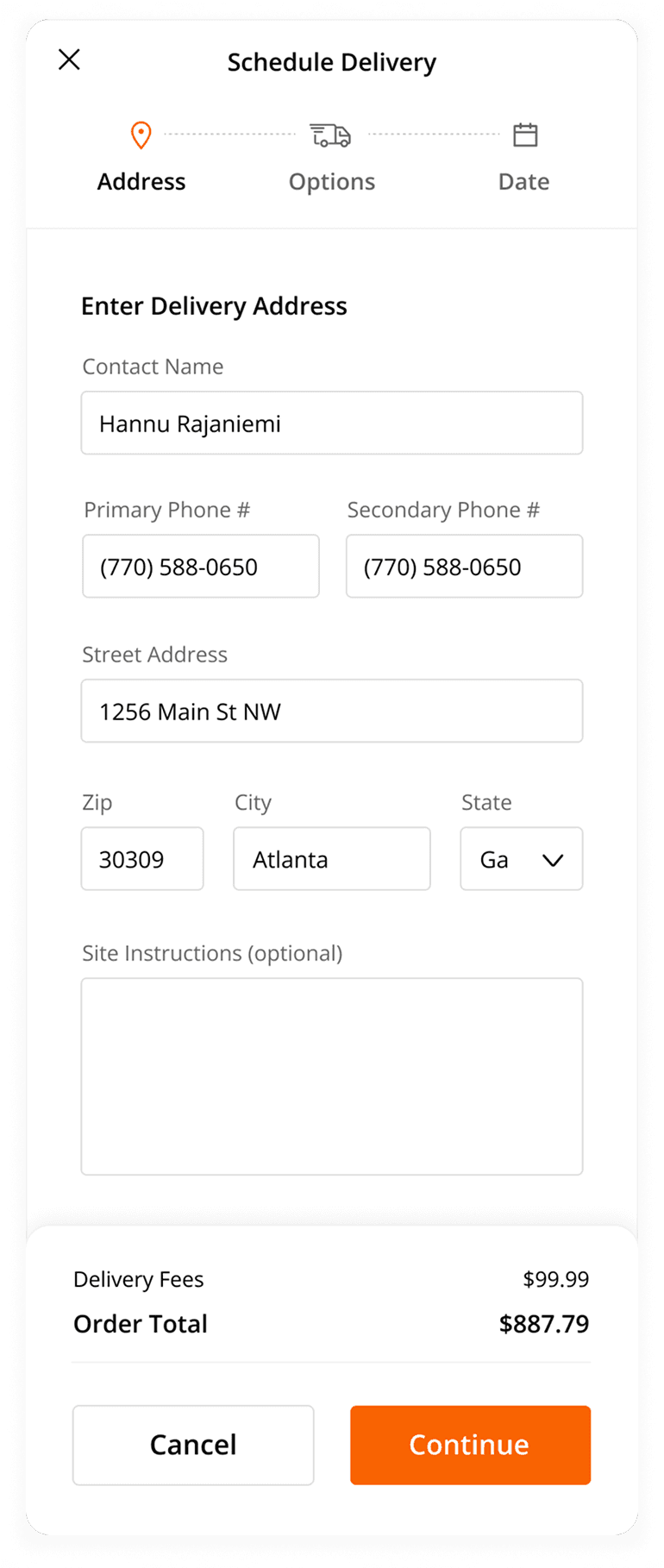
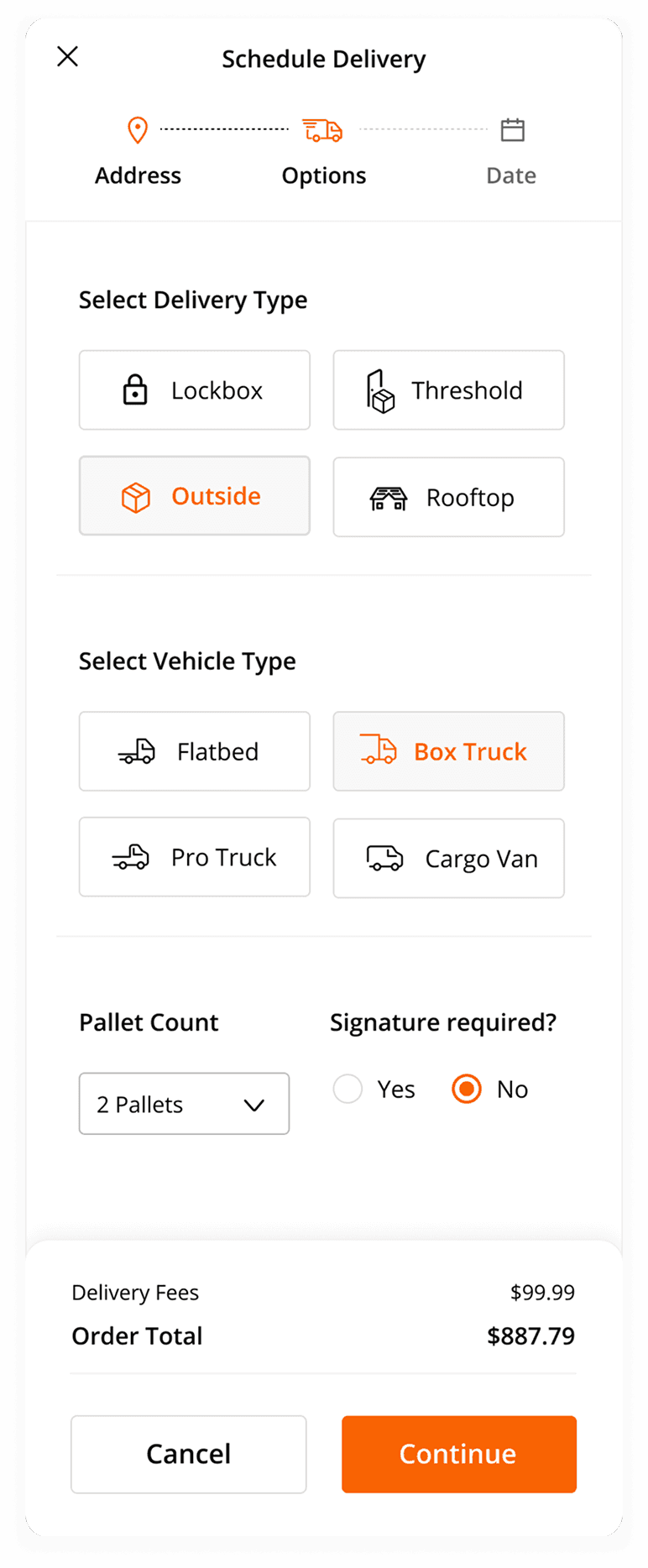
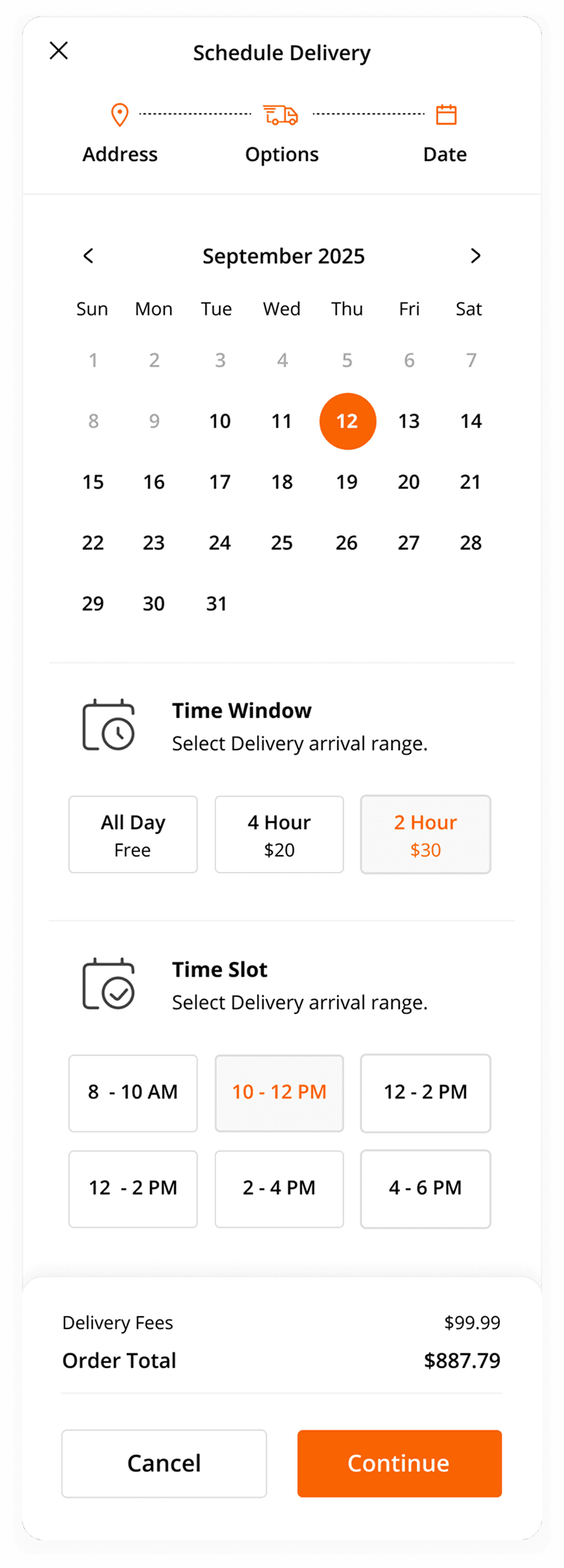
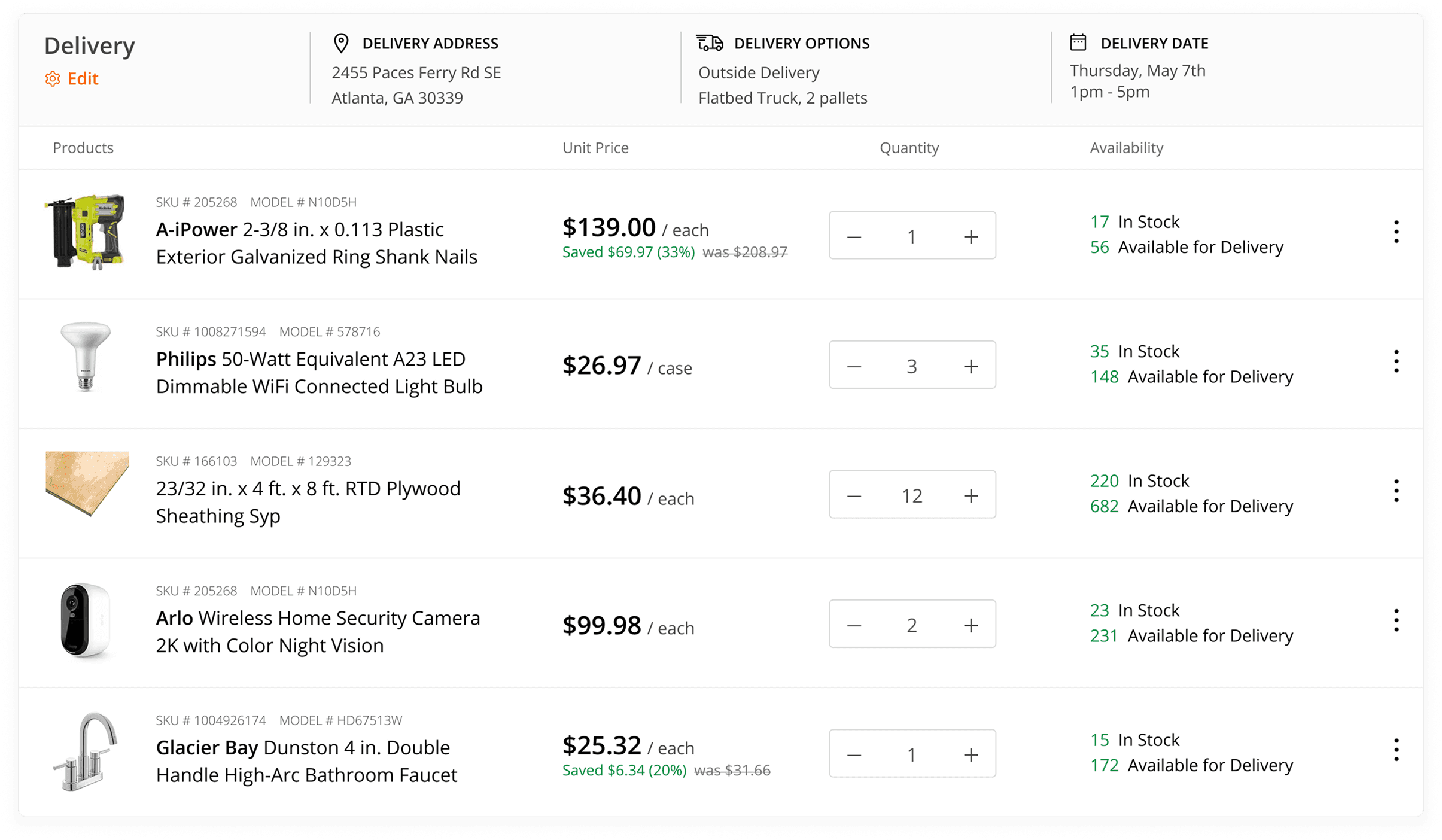
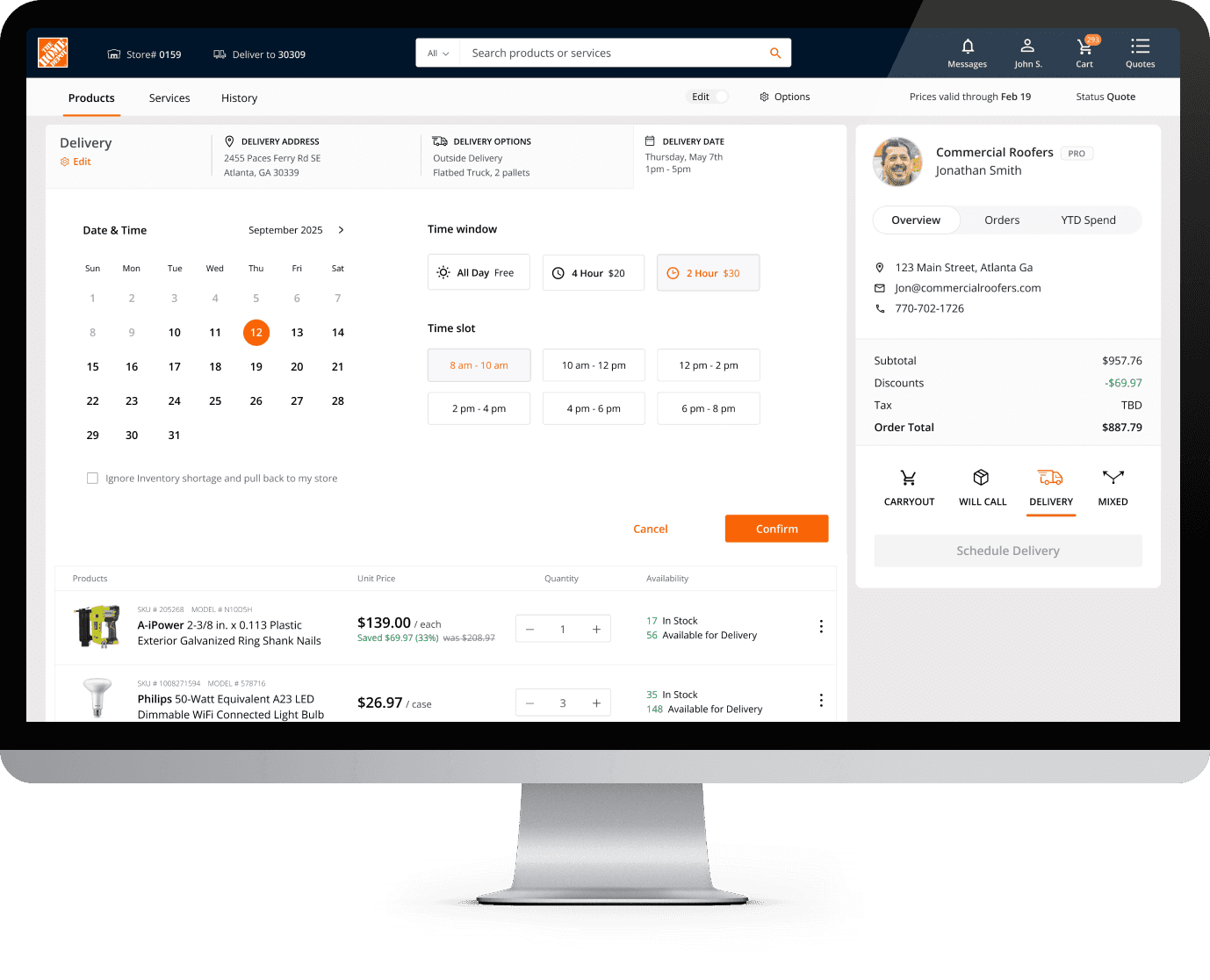
To simplify the complexity, I broke the delivery experience down into three core steps that could scale across all scenarios:
Delivery Address
Delivery Options
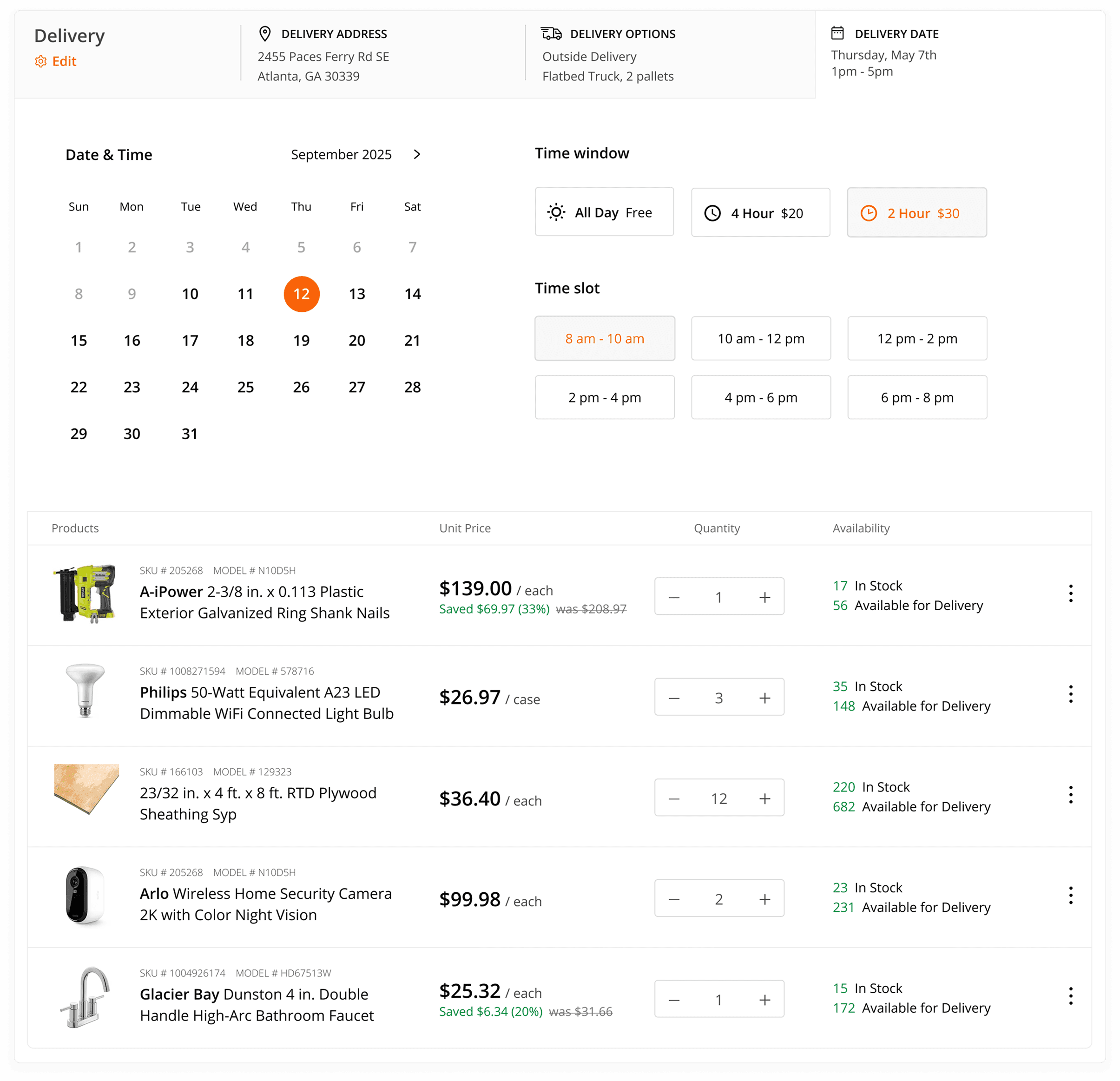
Delivery Date
This created a consistent structure for scheduling deliveries, regardless of product type, channel, or fulfillment method.
A stepper was introduced to guide associates through each stage, making the process easier to follow while still supporting more complex scenarios.